





Introduction
Traditional architecture reflects the values, beliefs, climate adaptation strategies, and social structures of communities across generations. It is more than a method of construction. It represents a living expression of identity shaped by geography, materials, rituals, and collective memory. Across regions and cultures, traditional buildings reveal how societies interact with nature and preserve continuity with their past.
In a rapidly modernizing world, traditional architecture remains a powerful symbol of cultural belonging. It helps communities maintain distinct identities while offering practical solutions grounded in local knowledge systems.
Understanding Traditional Architecture
Traditional architecture refers to building practices developed over time using locally available materials, indigenous construction techniques, and culturally meaningful spatial arrangements. These structures often emerge through community participation rather than formal architectural training.
Key characteristics include
- Use of local materials such as stone, mud, timber, lime, or bamboo
- Climate-responsive design strategies
- Symbolic decorative elements linked to beliefs and traditions
- Courtyard-based planning in many regions
- Integration with landscape and ecology
These features make traditional buildings both environmentally responsive and culturally expressive.
Architecture as a Carrier of Cultural Identity
Built environments communicate stories about communities. Houses, temples, mosques, and public spaces reveal social hierarchy, family structures, craftsmanship traditions, and spiritual values.
Traditional architecture contributes to cultural identity in several ways
Expression of social organization
Settlement patterns and house layouts often reflect extended family systems and community interaction practices.
Transmission of knowledge
Construction techniques pass from one generation to another through apprenticeships and shared experience.
Symbolic representation
Motifs, carvings, and spatial orientations frequently represent cosmological beliefs and local traditions.
Sense of belonging
Living in culturally familiar environments strengthens emotional attachment to place.
Climate Responsiveness in Traditional Design
Traditional buildings evolved through careful observation of environmental conditions. Instead of relying on mechanical systems, they respond naturally to climate challenges.
Examples include
- Thick walls in desert regions that reduce heat gain
- Courtyards that improve airflow and daylight
- Sloped roofs in high rainfall areas
- Elevated floors in flood-prone zones
- Wind towers that enhance ventilation in hot climates
These strategies demonstrate sustainable thinking long before the emergence of modern environmental technologies.
Role of Local Materials and Craft Traditions
Local materials shape the identity of traditional architecture. Their availability influences structural systems, textures, and aesthetic qualities.
Examples of material-based identity include
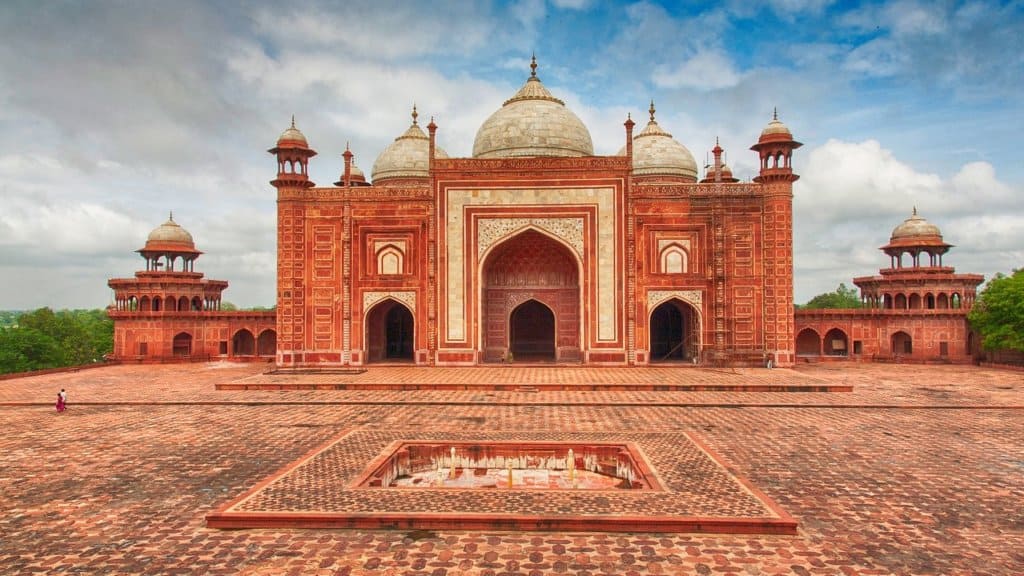
- Sandstone in western Indian settlements
- Bamboo in northeastern regions
- Timber framing in Himalayan architecture
- Mud construction in arid landscapes
Craft traditions such as carving, plasterwork, painting, and joinery add cultural depth to buildings. These crafts represent community skills developed over centuries and often hold ritual significance.
Community Life and Spatial Organization
Traditional settlements prioritize social interaction. Shared courtyards, verandas, and public gathering spaces encourage cooperation and cultural exchange.
Important spatial features include
- Central courtyards for family activities
- Verandas that mediate indoor and outdoor spaces
- Community squares for celebrations
- Streets designed for pedestrian movement and social contact
Such spatial planning strengthens relationships and preserves collective identity.
Sacred Geometry and Symbolism in Traditional Architecture
Traditional architecture often incorporates symbolic planning principles linked to cosmology and spirituality. These ideas guide orientation, proportions, and spatial hierarchy.
Common symbolic practices include
- Alignment with cardinal directions
- Use of geometric planning grids
- Sacred thresholds marking transitions between spaces
- Ritual placement of entrances and courtyards
Such features reinforce cultural continuity and spiritual meaning within everyday environments.
Challenges Facing Traditional Architecture Today
Despite its cultural importance, traditional architecture faces multiple threats.
Major challenges include
- Rapid urbanization replacing vernacular settlements
- Declining availability of skilled artisans
- Preference for standardized modern construction materials
- Limited awareness among younger generations
- Inadequate conservation policies in some regions
Without intervention, valuable architectural knowledge risks disappearing.
Importance of Preserving Traditional Architecture
Preservation of traditional architecture supports both cultural continuity and environmental sustainability.
Benefits include
Cultural continuity
Historic settlements strengthen identity and intergenerational connections.
Environmental sustainability
Traditional buildings often require less energy and rely on renewable materials.
Economic opportunities
Heritage tourism and craft revival programs support local livelihoods.
Educational value
Traditional construction techniques offer insights into climate adaptation and resource efficiency.
Conservation efforts must involve local communities to ensure authenticity and long-term sustainability.
Integrating Traditional Knowledge with Contemporary Design
Modern architecture can benefit from traditional principles without copying historical forms directly. Thoughtful integration creates culturally rooted yet forward-looking environments.
Strategies include
- Using passive cooling inspired by vernacular design
- Reintroducing courtyards in dense urban housing
- Supporting traditional craftsmanship in new projects
- Selecting regionally appropriate materials
- Designing buildings that respect cultural context
Such approaches help maintain identity while addressing modern needs.
Conclusion
Traditional architecture remains a powerful expression of cultural identity shaped by environment, craftsmanship, spirituality, and social organization. Its relevance extends beyond heritage value. It provides practical lessons for sustainable living and community-centered design.
Preserving and adapting traditional knowledge ensures that architecture continues to reflect the diversity and richness of human cultural experience.
Frequently Asked Questions
1. How does traditional architecture influence modern urban planning
Traditional planning principles such as walkable streets, shared open spaces, and climate-responsive layouts inspire contemporary urban designers seeking sustainable and socially connected environments.
2. Why are courtyards important in many traditional houses
Courtyards improve ventilation, provide natural light, create private outdoor space, and support family interaction within dense settlements.
3. Can traditional construction techniques meet current safety standards
With proper engineering support and material improvement, many traditional systems can meet structural and safety requirements while retaining their original character.
4. How does traditional architecture support environmental sustainability
It relies on locally sourced materials, passive cooling methods, and climate-responsive design strategies that reduce energy consumption.
5. What role do artisans play in preserving architectural heritage
Artisans maintain construction knowledge, decorative traditions, and repair techniques essential for conserving historic structures and continuing cultural practices.
6. How can communities participate in conserving traditional architecture
Communities can document heritage buildings, support craft training programs, promote awareness, and collaborate with conservation professionals.
7. Is it possible to combine modern materials with traditional design principles
Yes, combining modern materials with traditional spatial planning and climate strategies can create durable buildings that remain culturally meaningful.