









Introduction
Architecture plays a central role in shaping how people interact with each other within neighborhoods, towns, and cities. The arrangement of streets, public buildings, open spaces, and shared facilities directly influences social behavior, cooperation, and a sense of belonging. Well-designed environments encourage participation, trust, and cultural exchange, while poorly designed ones often lead to isolation.
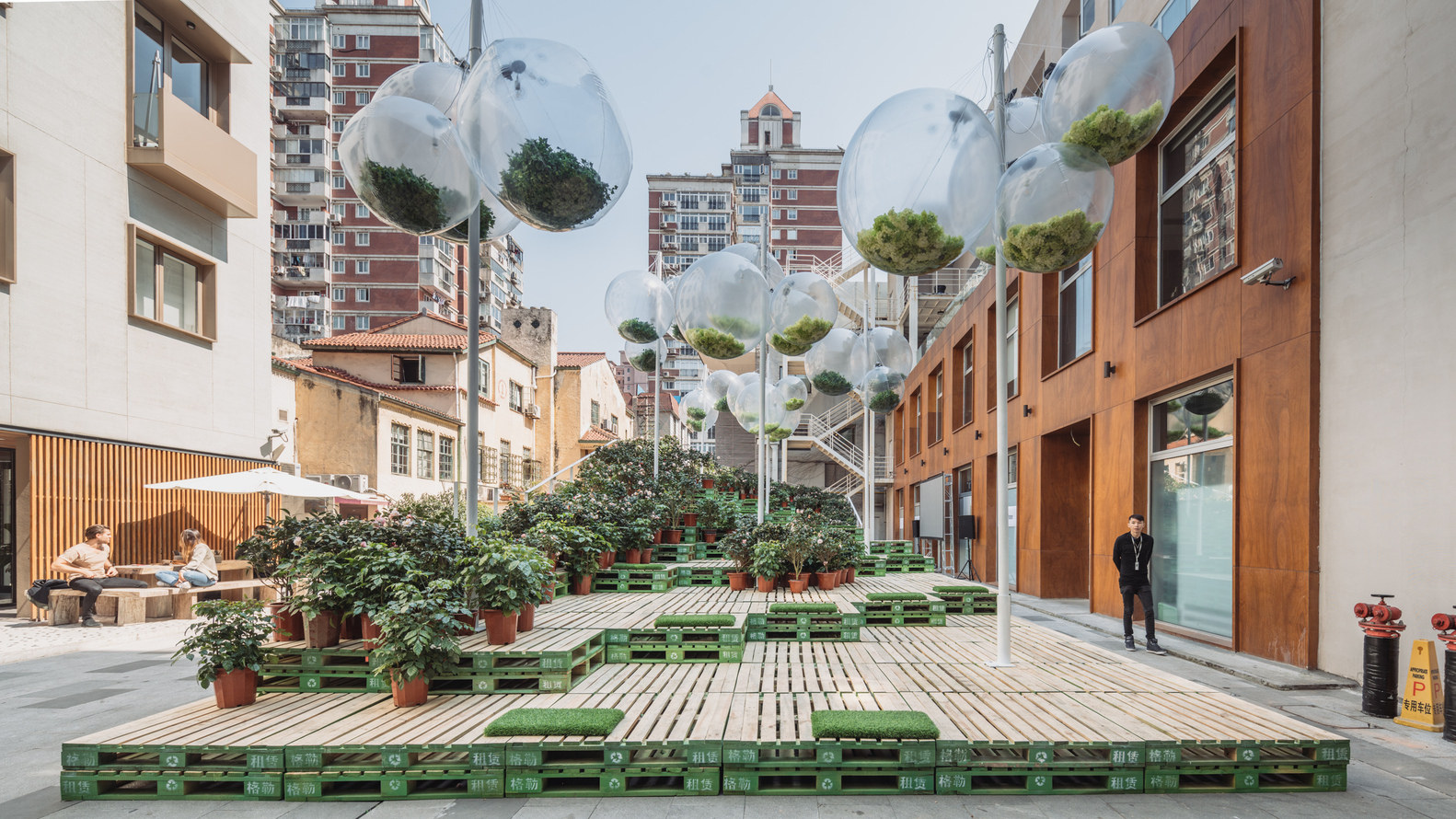
Community spaces formed through thoughtful architectural planning create opportunities for everyday interaction. These places support social cohesion and help residents feel connected to their surroundings and to one another.
Understanding Social Community Spaces in Architecture
Social community spaces are environments intentionally designed to support collective activities and shared experiences. These spaces exist at multiple scales, from neighborhood courtyards to city-level public plazas.
Common types include
- Community centers
- Public squares and plazas
- Parks and gardens
- Streets designed for pedestrians
- Shared courtyards in housing clusters
- Cultural and recreational facilities
Such spaces function as platforms where social relationships develop naturally through repeated interaction.
Role of Architecture in Encouraging Social Interaction
Architecture influences how frequently and comfortably people interact in daily life. Spatial planning determines accessibility, visibility, and usability of shared environments.
Important design elements include
Walkability
Pedestrian-friendly pathways encourage people to spend time outdoors and interact informally.
Visibility and openness
Open layouts allow residents to observe shared areas, increasing safety and participation.
Flexible spaces
Adaptable environments support festivals, meetings, recreation, and informal gatherings.
Human-scale design
Buildings and streets designed at a comfortable scale encourage longer engagement with community spaces.
Together, these elements help create environments where social interaction becomes a natural part of daily routines.
Public Squares as Centers of Community Life
Public squares have historically served as focal points for community life. They support social, economic, and cultural activities while strengthening local identity.
Functions of public squares include
- Hosting cultural celebrations
- Supporting informal markets
- Encouraging social interaction
- Providing gathering space during civic events
- Strengthening neighborhood identity
Well-designed squares remain active throughout the day and across seasons, making them essential components of vibrant communities.
Community Centers as Social Anchors
Community centers provide structured environments for learning, recreation, and collaboration. Their architectural design influences accessibility and participation across age groups.
Effective community centers typically include
- Multipurpose halls
- Learning spaces
- Libraries
- Indoor recreational areas
- Outdoor gathering zones
When centrally located and easily accessible, these facilities strengthen neighborhood networks and encourage collective engagement.
Housing Design and Shared Social Spaces
Residential architecture strongly influences everyday interaction among neighbors. Shared spaces within housing environments encourage communication and cooperation.
Examples of socially supportive housing features include
- Central courtyards for shared activities
- Semi-private transitional spaces such as verandas
- Common gardens and play areas
- Shared pedestrian pathways instead of vehicle-dominated streets
Such spatial arrangements create opportunities for spontaneous interaction that strengthens community relationships.
Parks and Green Spaces as Social Connectors
Green spaces provide opportunities for relaxation, recreation, and interaction across different age groups. Their presence improves physical health while supporting emotional well-being.
Benefits of community parks include
- Encouraging outdoor activity
- Supporting informal social gatherings
- Providing safe play areas for children
- Creating inclusive spaces for diverse populations
- Enhancing environmental quality
Accessible green spaces often become the most frequently used social environments within neighborhoods.
Cultural Identity and Community Architecture
Architecture reflects cultural traditions through materials, spatial organization, and decorative features. Community spaces designed with cultural sensitivity strengthen identity and continuity.
Culturally responsive architecture may include
- Locally inspired materials and construction techniques
- Spaces designed for traditional gatherings
- Areas for festivals and rituals
- Integration of symbolic elements meaningful to residents
These features help communities maintain continuity with their heritage while adapting to contemporary needs.
Inclusive Design and Social Equity in Community Spaces
Inclusive architecture ensures that community spaces remain accessible to everyone regardless of age, ability, or background. Equitable access strengthens participation and promotes social harmony.
Inclusive strategies include
- Barrier-free circulation paths
- Seating areas for different age groups
- Safe lighting and visibility
- Accessible entrances and public facilities
- Spaces designed for diverse cultural activities
Such planning supports equal participation and strengthens collective identity.
Role of Architecture in Strengthening Neighborhood Identity
Neighborhood identity develops through recognizable spatial features and shared experiences within community spaces. Architecture helps create memorable environments that residents associate with belonging.
Key contributors include
- Landmark community buildings
- Distinctive public gathering spaces
- Consistent architectural character
- Active street edges and social zones
Together, these elements shape how residents perceive and value their surroundings.
Designing Future Community Spaces Through Participatory Planning
Community participation plays an important role in shaping successful social spaces. When residents contribute ideas during planning processes, spaces become more meaningful and better used.
Participatory planning approaches include
- Community workshops
- Local design consultations
- Feedback-based planning strategies
- Collaboration between planners and residents
Such approaches ensure that architecture reflects actual needs rather than assumptions.
Conclusion
Architecture plays a decisive role in shaping social relationships and strengthening community life. From public squares and parks to housing courtyards and community centers, shared environments influence how people connect, cooperate, and participate in collective activities.
Thoughtful architectural planning supports inclusive interaction, cultural continuity, and neighborhood identity. As cities continue to grow, designing meaningful community spaces remains essential for building socially connected environments.
Frequently Asked Questions
1. Why are pedestrian-friendly streets important for community interaction
Pedestrian-friendly streets encourage residents to spend more time outdoors, increasing opportunities for conversation, observation, and shared activities.
2. How do mixed-use developments support stronger communities
Mixed-use developments combine residential, commercial, and recreational functions, allowing people to interact throughout the day within the same neighborhood environment.
3. What role does lighting play in community space design
Proper lighting improves safety, increases usability after sunset, and encourages more frequent participation in public spaces.
4. How can architecture support interaction between different age groups
Designing spaces that include playgrounds, seating areas, walking paths, and activity zones allows people of different generations to share environments comfortably.
5. Why are transitional spaces important in residential architecture
Transitional spaces such as verandas and semi-private courtyards create gradual movement between private and public areas, encouraging casual interaction among neighbors.
6. How does accessibility influence the success of community spaces
Accessible design ensures that people with different physical abilities can participate equally in social activities and public life.
7. What makes a community space sustainable over time
Long-term sustainability depends on flexible design, community involvement, maintenance planning, and the ability to adapt spaces to changing social needs.