




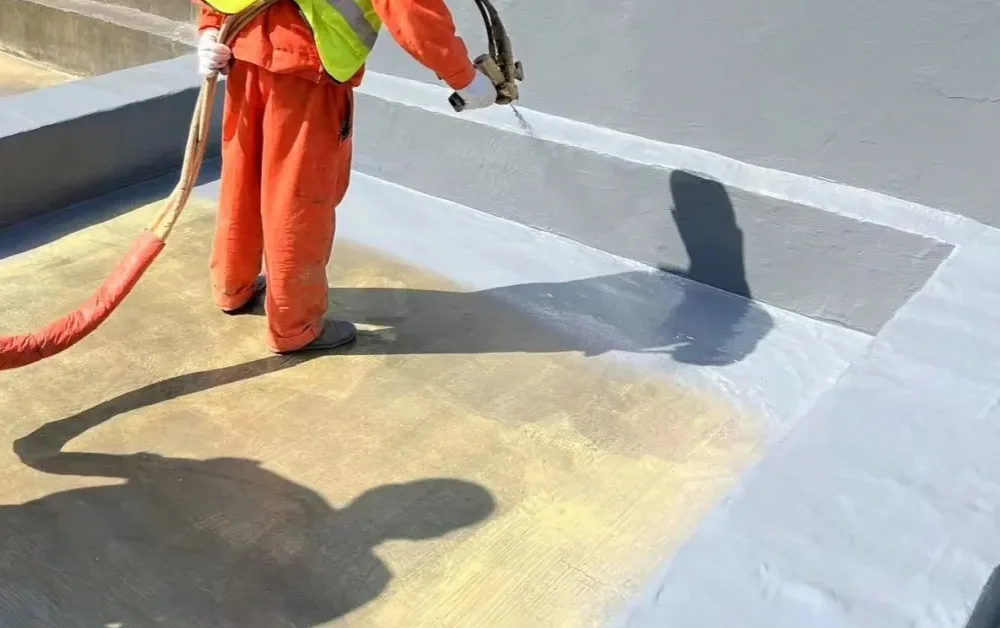
If you’re working on a construction job, you don’t want to have to deal with water damage later. Leaks tend to appear at the most inconvenient times. And, more often than not, the main problem is traced back to a single early decision: selecting the wrong supplier.
A qualified supplier can help you avoid these issues in the first place. But how do you know your international waterproofing system supplier is actually qualified? We explain it in basic, straightforward language.
The Truth About “International” Suppliers
International waterproofing system supplier – it doesn’t always mean what you think. Some companies simply export products and label themselves as “international.” Others actually operate across multiple regions, adapting their systems to different climates, construction standards, and project types. The difference is subtle but important.
A really competent supplier understands how waterproofing performs in various environments – humid, tropical, dry, and coastal – and designs systems accordingly. They are not guessing. They are using what has previously been tested in the actual world.
What You Should Ask Even If You Aren’t an Expert
You don’t need to be a waterproofing specialist to evaluate a supplier. You just need to ask a few smart questions – and pay attention to how they respond.
For example, ask whether they provide complete systems or just individual products. This alone can tell you a lot. A serious supplier will talk about how different components work together, not just push a single solution.
It’s also worth asking about past projects. Not in a formal, technical way – just casually. What kind of buildings have they worked on? How long ago were those projects completed? Are those systems still performing well today?
A dependable waterproofing supplier Malaysia or overseas provider should give simple, structured information – nothing too complicated – to demonstrate their goods are tested, specified, and consistent.
Ask what happens after the sale. Do they offer guidance? Can they support your contractor if needed? Or do they disappear once the invoice is paid?
Sometimes the manner a supplier responds to these questions reveals more than the answers themselves. There is no need to compare chemical compositions or performance data to distinguish between vendors. Instead, consider how they deliver their answers.
When working with a qualified supplier, the process feels more structured. Clear. Logical. Take a look at how waterproofing suppliers Malaysia manage their systems.
Why Knowing Your Area Is Important
Even when working with suppliers from other countries, local conditions must be taken into account. A Malaysian waterproofing supplier should know about heavy rain, high humidity, and temperature changes that happen all the time. These things change how well materials work over time.
A good provider makes global solutions work for local situations. The key is to find the right balance between global and local knowledge.
To keep things simple, focus on a few main points:
-
Look for providers who talk about systems, not just things.
-
Pay attention to how thoroughly they clarify their answers.
-
Check their experience, not simply what they say.
-
Check to see whether they offer help after the transaction.
That’s all.
The Cost Of Getting It Wrong
It’s tempting to treat waterproofing as a place to save money. After all, it’s not something buyers or tenants immediately notice. But problems don’t stay hidden forever. When waterproofing fails, it shows up in ways that are hard to ignore leaks, repairs, delays, complaints. And fixing those issues later is almost always more expensive than doing it right from the start.
That’s why working with a qualified international waterproofing system supplier isn’t just about quality – it’s about risk management.