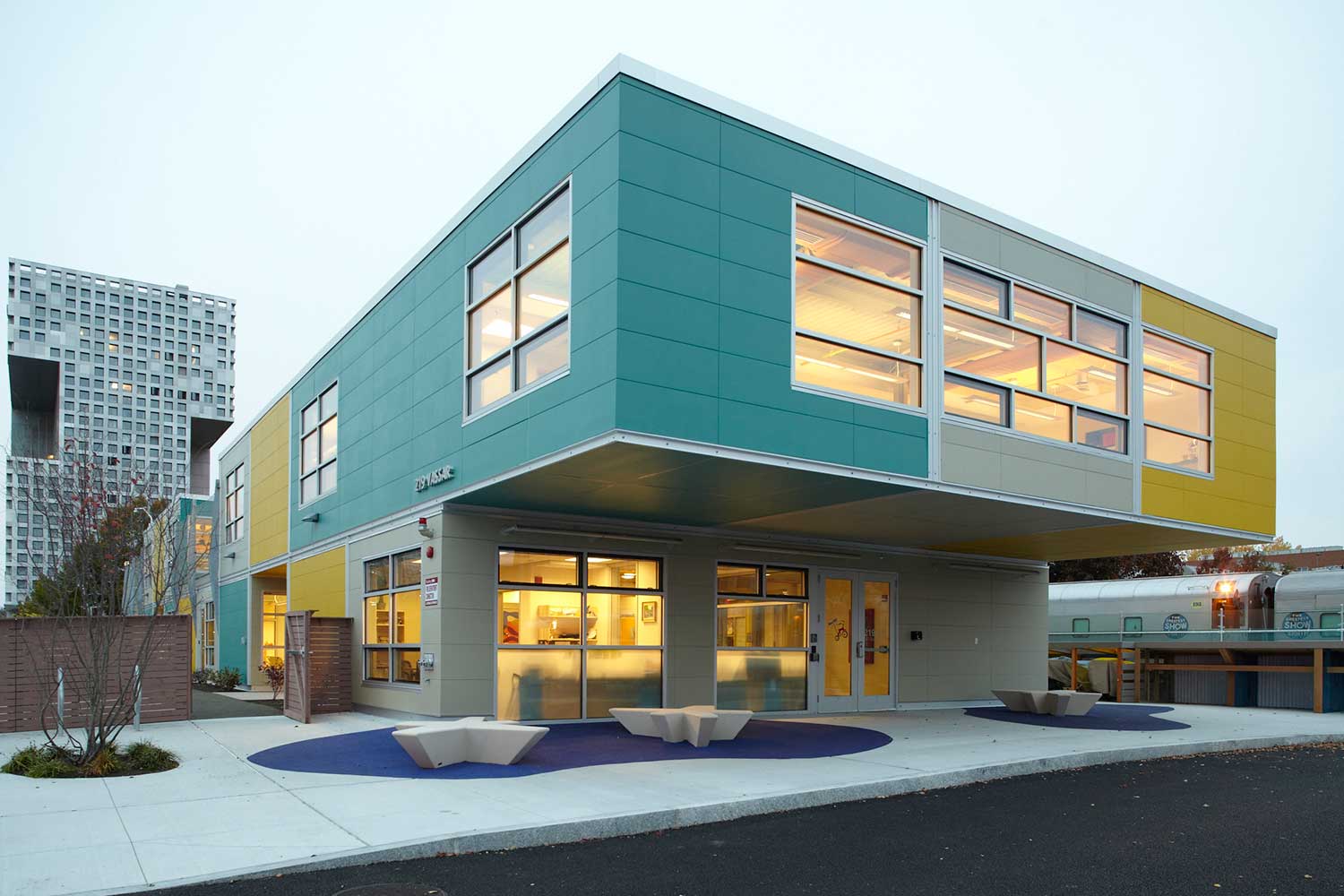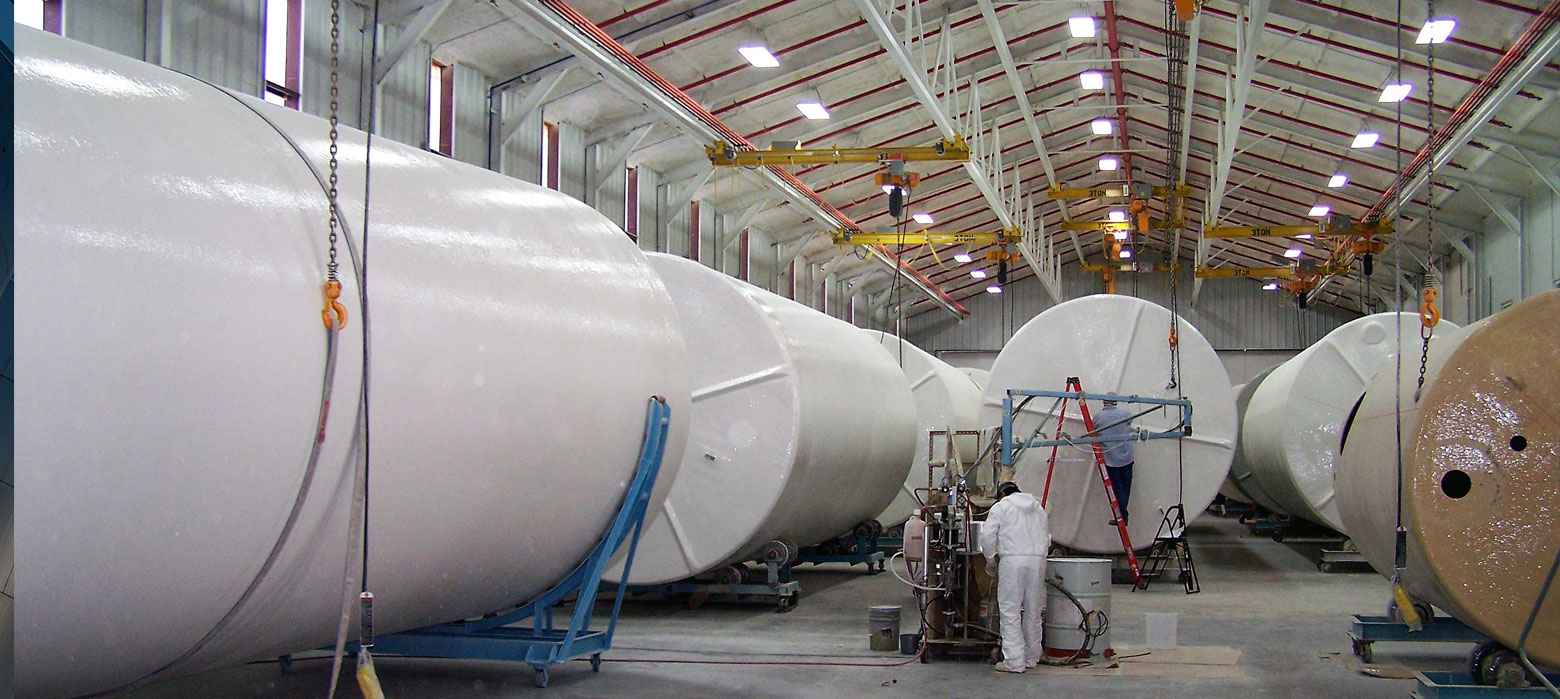






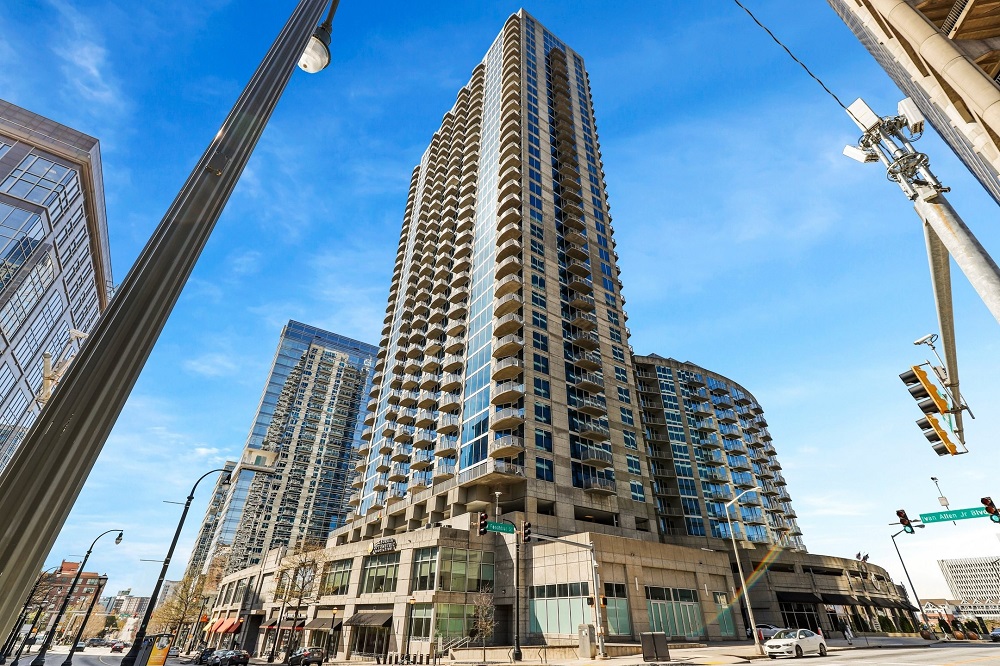
A building is a structured enclosure designed for human use, protection, and activity. It serves purposes ranging from housing and commerce to education, healthcare, and industry. Throughout history, buildings have reflected technological progress, cultural values, environmental conditions, and economic development.
Today, building construction combines engineering precision, architectural creativity, sustainability practices, and safety standards to meet modern needs.
What Is a Building
A building is a permanent structure with walls and a roof constructed to provide shelter, workspace, or storage. It may be simple like a rural dwelling or complex like a multi-storey commercial tower.
Key characteristics of a building include:
- Structural stability
- Functional design
- Environmental adaptability
- Safety compliance
- Durability over time
Buildings support daily life and play a central role in urban and rural development.
Main Types of Buildings
Buildings are categorized based on their purpose and usage.
Residential Buildings
These structures provide accommodation for individuals and families.
Examples include:
- Independent houses
- Apartments
- Villas
- Duplex homes
They are designed for comfort, privacy, and daily living needs.
Commercial Buildings
Commercial structures support business operations.
Common examples:
- Office complexes
- Shopping centers
- Retail outlets
- Hotels
They prioritize accessibility, space efficiency, and customer interaction.
Industrial Buildings
Industrial buildings support manufacturing and production activities.
Examples:
- Factories
- Warehouses
- Workshops
- Processing units
These structures emphasize durability and large open spaces.
Institutional Buildings
Institutional buildings serve public functions.
Examples:
- Schools
- Colleges
- Hospitals
- Government offices
They are designed for safety, accessibility, and large-scale occupancy.
Essential Components of a Building
Every building consists of several structural and functional elements.
Foundation
The foundation transfers building loads safely to the ground. A strong foundation ensures stability and prevents settlement problems.
Walls
Walls divide internal spaces and protect occupants from environmental conditions.
Floors
Floors support occupants, furniture, and equipment while distributing loads evenly.
Roof
The roof protects the interior from rain, heat, wind, and other external factors.
Doors and Windows
These components provide ventilation, lighting, and movement access.
Building Construction Process
Constructing a building involves multiple planned stages to ensure safety and quality.
Planning and Design
Architects and engineers prepare layout drawings, structural plans, and cost estimates before construction begins.
Site Preparation
The site is cleared, leveled, and prepared for foundation work.
Foundation Construction
The foundation is constructed according to soil conditions and structural requirements.
Structural Framework
Columns, beams, slabs, and load-bearing walls are built to form the skeleton of the structure.
Wall Construction
Brickwork or blockwork defines interior and exterior spaces.
Finishing Work
Final finishing includes:
- Plastering
- Flooring
- Painting
- Electrical installations
- Plumbing installations
These steps improve appearance and functionality.
Common Materials Used in Building Construction
Selecting appropriate materials ensures durability and safety.
Major construction materials include:
Cement
Cement acts as a binding agent in concrete and mortar.
Concrete
Concrete provides strength and structural stability in foundations, beams, and slabs.
Steel
Steel reinforcement increases load-bearing capacity and resistance against stress.
Bricks
Bricks are widely used for wall construction due to availability and strength.
Stone
Stone offers long-lasting durability and aesthetic appeal.
Wood
Wood is used in doors, windows, furniture, and decorative elements.
Importance of Building Design
Good building design improves both functionality and user comfort.
Important design considerations include:
- Natural lighting
- Ventilation efficiency
- Structural safety
- Energy efficiency
- Space optimization
- Accessibility
Proper planning enhances long-term usability and reduces maintenance costs.
Modern Trends in Building Construction
The construction industry is evolving with technological advancements and environmental awareness.
Green Buildings
Green buildings reduce environmental impact through:
- Energy-efficient systems
- Rainwater harvesting
- Solar energy usage
- Sustainable materials
Smart Buildings
Smart buildings use automated systems for:
- Lighting control
- Temperature regulation
- Security monitoring
- Energy management
These systems improve convenience and operational efficiency.
Prefabricated Construction
Prefabrication involves assembling building components off-site and installing them at the construction location. This approach reduces time and labor costs.
Earthquake-Resistant Structures
Modern buildings increasingly incorporate structural techniques that improve resistance against seismic forces.
Safety Considerations in Building Construction
Safety plays a crucial role throughout construction and occupancy.
Key safety measures include:
- Structural design verification
- Fire safety planning
- Electrical safety systems
- Emergency exit planning
- Regular maintenance inspections
Following safety guidelines protects occupants and improves building lifespan.
Advantages of Well-Planned Buildings
A properly designed and constructed building provides several benefits.
These include:
- Improved living conditions
- Efficient space utilization
- Lower maintenance costs
- Increased property value
- Enhanced safety and durability
Buildings contribute significantly to economic growth and infrastructure development.
FAQ Section
What is the difference between residential and commercial buildings
Residential buildings are designed for living purposes, while commercial buildings support business activities such as offices, shops, and service centers.
Why is foundation strength important in building construction
A strong foundation distributes structural loads safely to the ground and prevents cracking, settlement, and structural failure.
What factors affect building material selection
Material selection depends on climate conditions, budget, structural requirements, availability, and durability expectations.
How long does it take to construct a building
Construction time varies based on building size, design complexity, site conditions, and availability of materials and labor.
What makes a building energy efficient
Energy-efficient buildings use proper insulation, natural ventilation, solar systems, and efficient lighting to reduce energy consumption.
What is prefabricated building construction
Prefabricated construction involves manufacturing building components off-site and assembling them at the project location to save time and labor.
How can building maintenance increase structure lifespan
Regular inspections, repairs, waterproofing, and system upgrades help maintain structural integrity and extend the life of a building.