








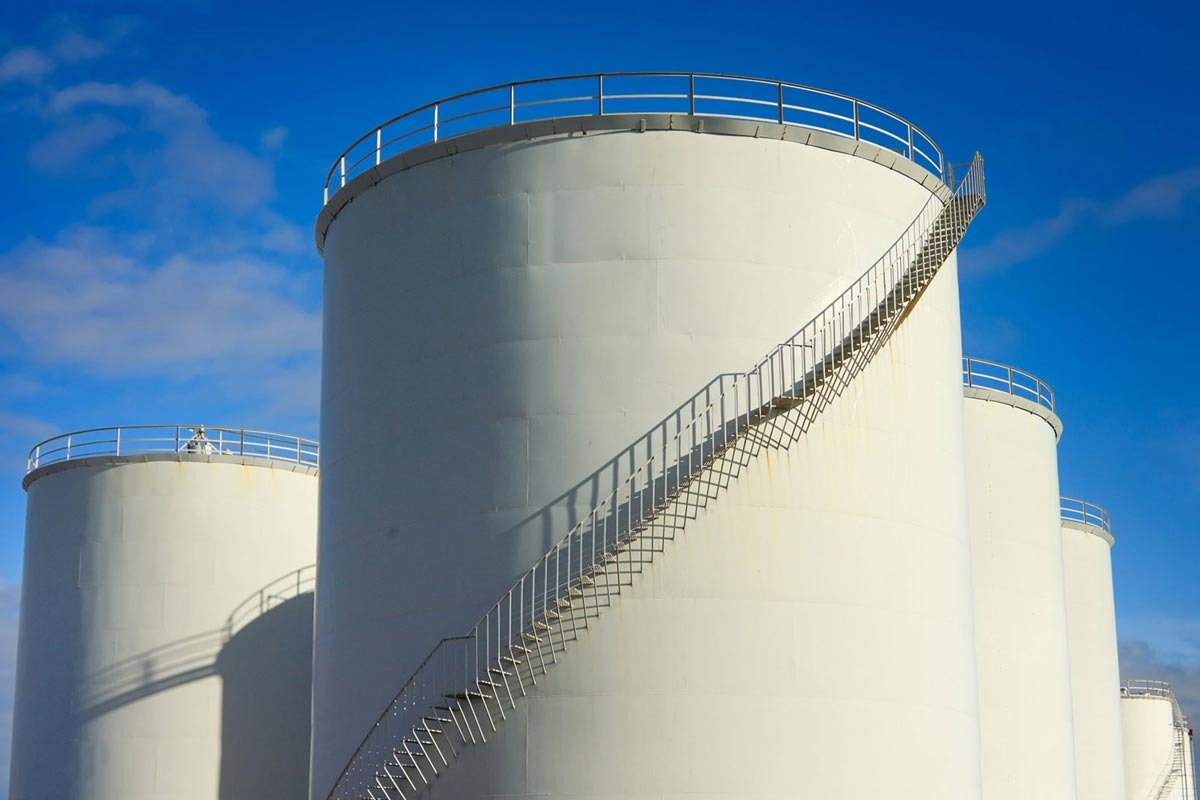
Aboveground storage tanks serve as essential infrastructure in both industrial and commercial operations, offering secure and efficient storage solutions for a wide range of liquids, including fuels, chemicals, and water. These tanks are not merely passive containers; they are engineered systems designed to maintain the integrity and quality of their contents while ensuring operational safety. The construction of an aboveground storage tank demands meticulous planning and design, incorporating engineering expertise to address factors such as structural stability, corrosion resistance, pressure management, and environmental exposure. Additionally, adherence to strict safety protocols and environmental regulations is paramount, as any failure in the tank can have significant operational, financial, and ecological consequences.
Across multiple industries, aboveground storage tanks are indispensable. In the energy sector, they store petroleum products and biofuels necessary for power generation and distribution. Airports rely on them to provide consistent, uncontaminated aviation fuel for aircraft operations. Manufacturing facilities use tanks for raw materials, process liquids, and lubricants, while chemical plants require specialized storage solutions to handle corrosive or reactive substances safely. Agricultural operations and food processing facilities depend on these tanks to store water, fertilizers, and food-grade liquids, while municipal services use them for water supply, firefighting reserves, and wastewater management. In every sector, aboveground storage tanks ensure smooth, reliable operations, protect personnel and the environment, and form a critical part of modern industrial infrastructure.
Importance and Function of Aboveground Storage Tanks
Aboveground storage tanks are engineered to safely contain liquids under controlled conditions, minimizing the risk of leaks, spills, and contamination. Their aboveground placement provides a significant advantage over underground tanks, offering easier access for routine inspections, preventive maintenance, and necessary repairs. This accessibility not only enhances operational safety but also reduces long-term maintenance costs by allowing issues to be detected and addressed before they escalate into major problems. From an operational standpoint, these tanks provide a centralized and reliable storage solution, ensuring consistent availability of essential liquids for industrial processes, manufacturing, or municipal services. Environmentally, properly constructed aboveground tanks protect soil, groundwater, and surrounding ecosystems from potential hazards associated with leaks or accidental releases. In addition, well-engineered tanks incorporate safety features that reduce the risk of fires, explosions, or chemical exposure, making them a preferred and trusted solution for a wide range of industries, from energy and aviation to agriculture and chemical processing.
Design, Materials, and Construction
Constructing an aboveground storage tank involves careful design, material selection, and adherence to safety protocols. Engineers consider the type of liquid, temperature requirements, pressure conditions, and tank capacity when designing the structure. Tanks can be cylindrical or rectangular and oriented vertically or horizontally, depending on site constraints and operational needs. Additional design features, such as vents, manways, and access platforms, are included to ensure operational safety and ease of maintenance.
Material choice is critical for tank durability and safety. Steel, including carbon steel and stainless steel, is most commonly used due to its strength and resistance to corrosion. Fiberglass-reinforced plastics or composite materials may be employed for specific chemicals that require enhanced chemical resistance. Construction methods vary based on size and material; large tanks are often assembled on-site from prefabricated panels, while smaller tanks may be factory-built and transported to the location. Welding, bolting, or other joining techniques are applied to ensure leak-proof, structurally sound tanks. Quality control and non-destructive testing are crucial throughout the process to verify weld integrity and adherence to specifications.
Industries That Rely on Aboveground Storage Tanks
Aboveground storage tanks serve a broad range of industries, each with unique requirements.
- Energy Sector: Crude oil, refined fuels, and biofuels are stored safely with corrosion protection, fire suppression, and secondary containment measures.
- Aviation Industry: Airports rely on tanks for jet fuel and aviation gasoline, requiring uncontaminated, accessible storage to ensure smooth operations.
- Chemical Industry: Chemical plants store acids, solvents, and specialty liquids, often requiring corrosion-resistant alloys, linings, or composite materials.
- Manufacturing Facilities: Tanks store raw materials, process liquids, and lubricants, integrated into complex piping and process systems.
- Agriculture and Food Processing: Tanks store water, liquid fertilizers, cleaning agents, and food-grade liquids, with attention to hygiene and environmental safety.
- Municipal Services: Tanks provide water storage, firefighting reserves, and wastewater containment, designed to withstand environmental exposure and facilitate maintenance.
Benefits of Proper Tank Construction
Properly constructed aboveground storage tanks offer a wide range of benefits that go beyond simple liquid storage. One of the most significant advantages is enhanced safety. Well-engineered tanks reduce the risk of spills, leaks, and fires, protecting personnel, equipment, and surrounding environments. By incorporating features such as secondary containment, corrosion-resistant materials, and fire protection systems, these tanks help prevent incidents that could result in costly damage or environmental harm. Additionally, the accessible design of aboveground tanks makes inspections and maintenance easier, allowing potential issues to be identified and addressed before they escalate into serious problems. This operational reliability is particularly important in industries where continuous access to stored liquids is critical for smooth processes, such as energy production, aviation fueling, or chemical manufacturing.
Beyond safety and reliability, high-quality tank construction contributes to long-term cost savings. Durable materials, precise engineering, and quality-controlled construction minimize the likelihood of premature failures, reducing the need for emergency repairs or full replacements. Industries also benefit from emerging trends in tank design and monitoring, such as modular construction, integrated digital monitoring systems, and advanced non-destructive testing methods. These innovations allow for real-time tracking of tank conditions, early detection of potential problems, and more efficient maintenance planning. By leveraging these advancements, organizations can extend the service life of their tanks, optimize operational efficiency, and maintain high safety standards, making properly constructed aboveground storage tanks an indispensable component of modern industrial and commercial infrastructure.
Choosing the Right Construction Partner
Selecting an experienced contractor is one of the most important decisions in aboveground storage tank construction. These tanks are complex engineering projects that require precision, technical knowledge, and adherence to strict safety and environmental standards. An inexperienced contractor may overlook critical design details, material specifications, or regulatory requirements, which can lead to costly delays, safety hazards, or long-term operational issues. Partnering with a qualified professional ensures that the tank is constructed correctly from the outset, providing confidence that it will perform reliably and safely for years to come.
Skilled contractors bring a wealth of expertise to every stage of the project. They guide clients in choosing the appropriate tank design, selecting materials that are compatible with the stored liquids, and integrating safety features such as secondary containment, corrosion protection, and fire prevention systems. Their knowledge of industry regulations and standards helps ensure that the tank complies with all applicable codes, avoiding potential legal and financial liabilities. Experienced contractors also plan the construction process efficiently, coordinating logistics, scheduling, and project management to minimize disruptions and ensure timely completion.
In addition to technical expertise, professional contractors provide critical quality control throughout the construction process. They conduct inspections, verify weld integrity, perform non-destructive testing, and ensure that every component meets engineering specifications. By addressing potential issues during construction rather than after installation, contractors help industries avoid expensive repairs, downtime, and operational setbacks. Furthermore, they can advise on future expansion or modifications, ensuring that the tank will accommodate both current operational requirements and anticipated growth. Ultimately, selecting an experienced contractor not only guarantees a safe and compliant storage solution but also protects the organization’s long-term investment in essential infrastructure.
Tying It Together
Aboveground storage tanks serve as a foundational element of modern industrial and commercial infrastructure, providing a reliable means of storing essential liquids across a wide variety of applications. Their importance extends far beyond mere containment; these tanks are engineered systems that support operational efficiency, safety, and environmental stewardship.
When designed and constructed with precision, aboveground storage tanks offer long-term durability, resistance to corrosion and environmental stressors, and accessibility for routine inspections and maintenance. This combination of features ensures that industries can depend on their storage systems to perform consistently, even under demanding operational conditions.
Proper construction and maintenance of these tanks also play a critical role in safeguarding personnel and protecting the surrounding environment. High-quality materials, safety-focused design, and adherence to regulatory standards reduce the risk of leaks, spills, and other hazardous incidents.
Professional oversight during construction and ongoing maintenance ensures that tanks remain fully compliant with industry regulations while supporting uninterrupted operations. By investing in expert design, construction, and maintenance services, industries can maximize the lifespan and efficiency of their storage infrastructure, meet growing operational demands, and maintain a strong commitment to safety, reliability, and environmental responsibility.


