




Water in a basement is more than an annoying puddle after a storm. It can damage flooring, stored belongings, wall finishes, and other materials that were never meant to stay wet. Repeated water intrusion can also create damp conditions that make the basement less comfortable and harder to use.
If you have noticed stains on basement walls, damp spots near the floor, or water appearing after heavy rain, foundation waterproofing in Greenwood may be a solution worth considering. The right system can help control water before it reaches your basement or manage it once it enters your basement. The key is understanding where the water is coming from and choosing a solution that addresses that source.
Why Water Gets Into Basements
Basements sit below ground level, which means they are surrounded by soil that can hold large amounts of water. During periods of heavy rain, that soil can become saturated. As water builds up around the foundation, pressure against basement walls and floors can increase.
Water often takes the easiest available path. Small foundation cracks, gaps around pipes, joints between walls and floors, and porous concrete can all provide entry points.
Surface drainage can also contribute to basement leaks. If the ground slopes toward your house instead of away from it, rainwater may collect near the foundation. Clogged gutters or downspouts that release water too close to the foundation can worsen the problem.
How Foundation Waterproofing Helps
The purpose of foundation waterproofing is to create better control over water around your foundation. Different systems approach this problem in different ways.
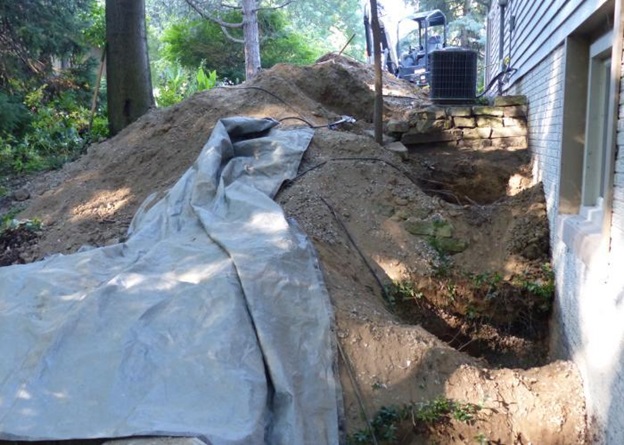
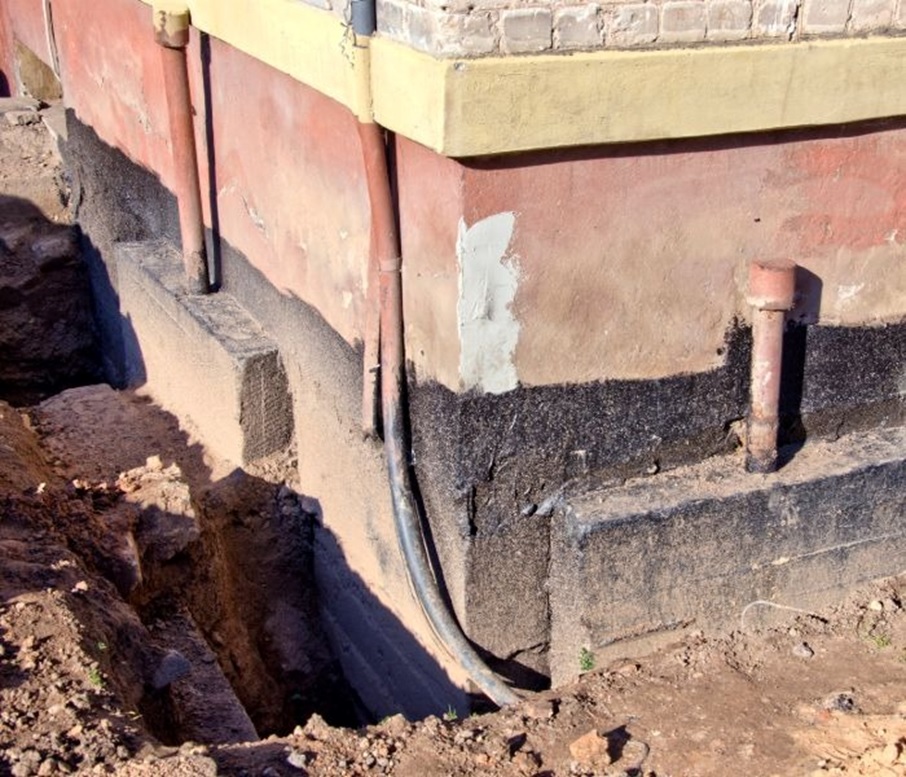
Exterior waterproofing focuses on preventing water from reaching your basement. Contractors may excavate around the foundation and apply waterproof membranes or coatings to the outside walls. Drainage materials may also be installed to help move groundwater away from the structure.
Interior systems take a different approach. Instead of blocking every drop from entering, they collect water that reaches the foundation and direct it to a drainage system or sump pump.
In many cases, basement water control involves several methods working together rather than a single product.
Exterior Waterproofing Creates a Water Barrier
Exterior waterproofing places protection on the outside surface of foundation walls. This area is where groundwater and saturated soil first come into contact with the structure.
A waterproof membrane can reduce the amount of water that reaches the concrete or masonry. Drainage boards and footing drains may also be installed to help move water downward and away from the foundation.
Exterior systems can be especially helpful when water is repeatedly entering through basement walls. Because installation usually requires excavation, the process can involve more work than an interior drainage system.
However, it addresses water before it reaches the interior space, which can make it an effective option for certain types of leaks.
Interior Drainage Can Manage Incoming Water
Interior basement drainage systems are often installed around the perimeter of the basement floor. These systems collect water entering near the foundation and direct it toward a sump basin.
A sump pump then removes the collected water and sends it away from the house.
Interior drainage may be useful when groundwater rises beneath the basement floor or when water enters along the joint where the wall meets the floor.
These systems do not necessarily stop water from reaching the outside of the foundation. Instead, they provide a controlled way to collect and remove it before it spreads across the basement.
Drainage Around Your Foundation Matters
Waterproofing works best when you also pay attention to water around your house.
The ground near your foundation should direct rainwater away from the structure. If water collects beside basement walls after every storm, the foundation is exposed to more water than necessary.
Gutters also play an important role. They collect rainwater from your roof and send it through downspouts. Those downspouts should discharge water far enough away that it does not immediately flow back toward the foundation.
The U.S. Environmental Protection Agency recommends controlling moisture by addressing water sources and improving drainage where needed. Managing water outside can complement the work of waterproofing and drainage systems inside or around your foundation.
Signs That Waterproofing May Be Needed
Basement water problems do not always begin with standing water. Smaller warning signs can appear first.
You may notice dark staining on foundation walls, peeling paint, damp areas near the floor, or white mineral deposits on masonry surfaces. A musty smell can also indicate that the basement is staying damp.
Water that appears repeatedly after rainfall is another important clue. If the same wall, corner, or section of floor becomes wet after storms, there may be a consistent path that water is following.
Foundation cracks should also receive attention. Cracks can allow water to pass through the wall, especially when saturated soil increases pressure outside.
Identifying these signs early gives you more information about where the problem may be starting.
Can Waterproofing Stop Every Basement Leak?
A properly planned foundation waterproofing system can greatly reduce water intrusion, but the solution has to match the cause.
For example, applying a waterproof coating to a wall may not solve a problem caused by groundwater pushing up beneath the basement floor. Likewise, installing an interior drain may manage incoming water without correcting poor grading outside.
Major flooding presents another challenge. Waterproofing systems designed for typical groundwater and rainfall may not handle extreme flood conditions.
That is why diagnosing the source of the water matters before choosing a repair method.
Start With a Basement and Foundation Inspection
A good waterproofing plan begins with identifying where water is entering.
An inspection may include checking basement walls and floors for cracks, stains, damp areas, mineral deposits, and previous repairs. Exterior drainage conditions should also be reviewed.
Gutters, downspouts, grading, foundation walls, and areas where water collects can provide useful clues.
Once the source is better understood, you can compare possible solutions. That might include exterior waterproofing, interior drainage, crack repair, a sump pump, grading improvements, or a combination of these methods.
Why a Complete Water Management Plan Works Better
Water can travel through soil, concrete, joints, and small openings. Because there are several possible entry points, successful basement protection often requires controlling water at multiple stages.
For example, good grading can move surface water away from the foundation while exterior drainage controls groundwater near basement walls. An interior system can provide another layer of protection if water reaches the foundation.
A complete foundation waterproofing plan considers how water moves throughout the entire structure rather than focusing only on the spot where a puddle appears.
Conclusion
Foundation waterproofing can be an effective way to stop or control water entering your basement, but there is no single method that works for every situation. The best approach depends on where the water comes from, how it reaches the foundation, and the condition of your drainage systems.
Pay attention to recurring leaks, damp walls, foundation cracks, stains, and water that collects near your house after storms. Understanding these warning signs can help you address the source of the problem and choose a waterproofing solution that makes sense for your basement.
If you are dealing with basement water and want a professional evaluation, contact Greenwood Foundation Repair Specialists. Our team can inspect your foundation, identify possible sources of water intrusion, and recommend practical repair and waterproofing options for your property.