





A new lawn can completely change how an outdoor space looks and feels. Bare soil, thin grass, and muddy patches can make a yard difficult to use. Fresh turf provides immediate coverage, but the finished result depends on more than placing grass over the ground. Soil condition, turf selection, grading, watering, and early care all affect how well the lawn develops.
Sod installation in Sarasota offers a faster path to a green lawn than planting seed, but preparation still matters. Each piece must touch clean, prepared soil so its roots can take root. When every step is handled carefully, the lawn can establish more evenly and become easier to maintain.
Evaluate the Yard
Begin by studying the area. Notice how much sunlight reaches each section during the day. Some grass varieties grow best in direct sun, while others tolerate partial shade. Trees, fences, buildings, and covered patios can all influence the best choice.
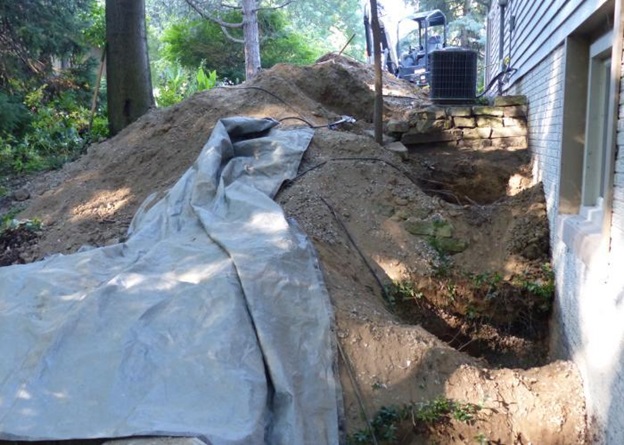
Inspect the yard after rain or irrigation. Water that remains in low spots may signal a grading or drainage concern. Compacted soil can slow the movement of water and roots. Rocks, old roots, buried debris, and weeds may also interfere with the new turf.
Clear and Loosen the Soil
New turf should rest directly on clean soil. Remove existing grass, weeds, roots, stones, and loose debris before shaping the yard. Placing turf over old growth can leave air pockets, create uneven spots, and allow weeds to return.
Loosen the upper layer of soil once the area is clear. Foot traffic, equipment, construction, and years of use can press soil particles together. Breaking up this layer gives water, oxygen, and new roots more room to move.
Test and Improve the Ground
Healthy grass begins with soil that supports root growth. A soil test can reveal pH, nutrient levels, organic matter, and soil composition. These results help you decide if compost or another suitable amendment should be added.
The United States Environmental Protection Agency explains that healthy soil can retain water, cycle nutrients, and reduce runoff. Its WaterSense landscaping tips recommend testing soil and loosening compacted areas so water can reach plant roots more effectively.
Create a Smooth Grade
Grading controls how surface water moves across the yard. The ground should guide water away from buildings and toward suitable drainage areas. Low pockets may collect water, while sharp rises can make turf difficult to place and mow.
Use a rake to smooth the surface. Remove remaining stones and break apart large clumps. The soil should feel firm enough to support the turf but loose enough for roots to enter.
Choose Suitable Turf
Select grass according to sunlight, climate, soil, irrigation access, and expected activity. A lawn used for play may need a variety that handles traffic. A shaded yard may require grass with stronger shade tolerance.
Ask about mowing height, watering needs, texture, growth pattern, and seasonal appearance. These details affect how the lawn will look and how much care it will require.
Schedule delivery after the ground is ready. Rolled turf can heat up and dry out when left stacked during warm weather. Prompt sod installation helps protect the roots and keeps the pieces easier to handle.
Place Each Piece Carefully
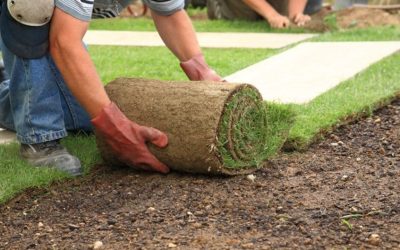
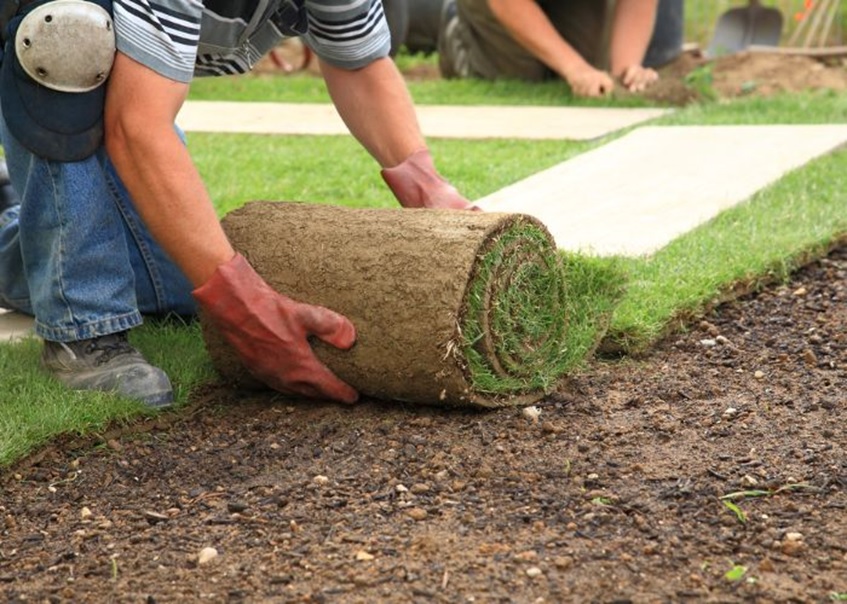
Begin along a straight edge, such as a driveway or walkway. Position each piece tightly beside the next without overlapping it. Gaps may dry out and become visible seams, while overlaps can prevent roots from reaching the soil.
Stagger the joints in a brick pattern rather than forming long, continuous lines. Use a sharp knife to trim curves and fit turf around planting beds, drains, and irrigation equipment. Avoid stretching the pieces because they may pull back as they settle.
Limit walking on prepared soil because footprints can create dips. After the yard is covered, a lawn roller can press the turf against the soil and reduce air pockets.
Water for Root Growth
Water soon after the first sections are placed. During early growth, the turf and the soil beneath it should stay damp without becoming flooded. Check several areas because sunny sections and exposed edges often dry faster.
Gently lift a corner to see if water has reached the prepared soil. Moist grass on top does not always mean the root area is wet enough. As roots begin entering the soil, watering can become deeper and less frequent.
Keep sprinklers aimed at the lawn rather than pavement. Check for leaks, blocked heads, and uneven coverage. Weather, soil type, grass variety, and local watering rules should guide the schedule.
Protect the New Lawn
Limit foot traffic while the soil is soft and the roots are developing. Heavy use can shift pieces, create depressions, and pull seams apart. Pets and active play may need to stay in another area for a short period.
Wait to mow until the turf has rooted and is not easily lifted. Use a sharp blade and avoid cutting the grass too short. Removing too much growth can stress the lawn and cause the soil to dry faster.
Watch for pooling water, lifted corners, pale sections, weeds, and gaps. Early attention makes corrections easier. Once the lawn is established, regular mowing, proper watering, and soil-based feeding can support steady growth.
Conclusion
A healthy lawn is built from the ground up. Careful evaluation, clean soil, useful grading, suitable turf, close placement, and thoughtful watering all contribute to successful sod installation. Staying involved during the first few weeks helps you catch dry areas, movement, and drainage concerns before they affect a larger section of the yard.
Ready to replace worn grass or bare soil with a fresh outdoor space? Sarasota Landscaping & Design can help with site preparation, turf selection, placement, and early lawn care. Contact our team to discuss your yard and start planning a healthier, greener lawn.