







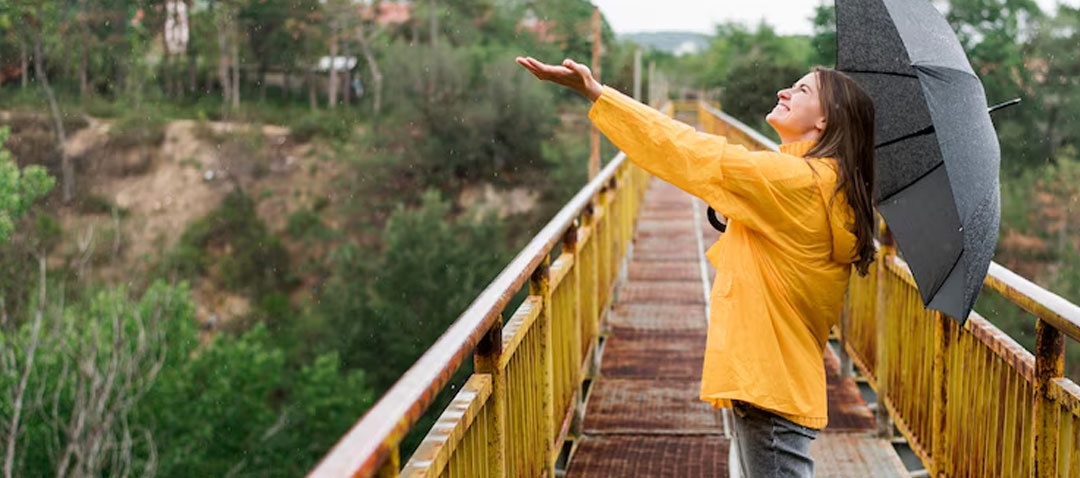
Travelling during India’s monsoon season can be magical, but it does come with its unique set of challenges. Rain-washed landscapes, misty hills and cooler weather lure many to explore. But if you’re not prepared, unexpected downpours can dampen your plans. So here’s a simple, practical guide to make your monsoon travel smooth and memorable.
Why travel during monsoon?
Many people shy away from trips during the rainy season, but it has its perks.
- Popular tourist spots are less crowded.
- Hotel tariffs and airfares are usually cheaper.
- Nature is at its lushest best – think green valleys, roaring waterfalls and fresh air.
However, to enjoy all this, you must plan well and travel smart.
1. Pick the right destination
Not every place is ideal for a monsoon getaway. Some areas face heavy floods and landslides. So choose wisely.
Best places to visit during monsoon:
- Goa: Fewer tourists and a different charm with rain-washed beaches.
- Kerala: Backwaters look dreamy and hill stations like Munnar are greener.
- Coorg: Known as the Scotland of India, the monsoon makes it even more magical.
- Meghalaya: True to its name (which means ‘Abode of Clouds’), the state offers a stunning feeling during the rains.
Places to avoid:
- Uttarakhand and Himachal Pradesh’s higher regions during peak rains due to landslide risks.
- Coastal areas during cyclonic warnings.
Always check weather advisories before finalising your plans.
2. Plan flexible itineraries
During monsoon, delays are common. Roads might get blocked, flights can be delayed, or boat rides may be cancelled.
Tips:
- Keep buffer days in your travel plan.
- Don’t cram too many destinations.
- Choose to stay closer to your main attractions.
A relaxed plan means fewer surprises.
3. Pack smartly for the rains
Packing right is half the battle won during monsoon trips.
Must-pack items:
- Light raincoat or poncho.
- Waterproof backpack or cover.
- Quick-dry clothes.
- Extra plastic bags for wet clothes.
- Waterproof shoes.
- Umbrella for city walks.
- Mosquito repellent cream.
- Basic medicines for fever or stomach upsets.
Keep electronics in ziplock bags to avoid water damage.
4. Dress comfortably
Choose clothes that dry fast and don’t stick uncomfortably when damp. Synthetic fabrics work better than cotton during rains. Avoid heavy denim or long dresses.
5. Protect important documents
Always carry a small waterproof pouch for:
- ID proofs.
- Tickets and hotel bookings.
- Cash and cards.
Consider keeping soft copies on your phone or email as backup.
6. Book safe and hygienic stays
During monsoon, dampness can lead to musty rooms and mould issues.
Check before booking:
- Read recent reviews for cleanliness.
- Confirm if the rooms have proper ventilation.
- Look for stays with in-house dining in case you can’t step out due to heavy rain.
7. Savour local cuisine carefully
Street food can be tempting, but rains bring an increased risk of the water-borne diseases.
Stay safe:
- Eat hot, freshly cooked meals.
- Drink bottled or boiled water.
- Avoid raw salads or cut fruits from roadside stalls.
8. Be careful on the roads
If you’re driving or riding, you need extra caution.
Driving tips:
- Get your vehicle’s brakes and tyres checked.
- Keep headlights on in heavy rain or fog.
- Drive slower than usual.
- Avoid sudden braking.
If using public transport, confirm service availability in advance.
9. Take extra precautions in the hills
Hilly areas become prone to landslides during heavy downpours.
Safety tips:
- Avoid night travel in the hills.
- Check local advisories before trekking.
- Stick to popular, well-marked trails.
- Keep an eye on daily weather updates. Many areas face sudden cloudbursts or flash floods.
If the weather looks rough, skip the plan altogether. Safety comes first.
10. Buy travel insurance
Monsoon travel can involve unexpected hurdles like cancelled flights, delayed trains, or medical emergencies. That’s where travel insurance comes in handy.
Travel insurance helps cover:
- Trip cancellations.
- Medical emergencies.
- Loss of luggage.
- Delayed flights.
Using a travel insurance app makes it easy to buy a policy and make claims on the go. Always choose a plan that suits your destination and duration.
11. Carry small essentials
Little things make a big difference when you’re stuck indoors during rain.
- Power bank for gadgets.
- Books or downloaded movies.
- Snacks in case you can’t step out.
- Board games or cards if you’re with family or friends.
12. Be mindful of local sensitivities
During heavy rains, some villages might face many difficulties or emergencies.
- Follow local advice.
- Don’t litter or damage trails.
- Support local businesses and homestays.
13. Capture the beauty safely
Rains create stunning photo opportunities. Misty mountains, fresh waterfalls and rain-kissed flowers look dreamy.
Tips for monsoon photography:
- Carry a rain cover for your camera.
- Shoot during light drizzles rather than heavy rain.
- Wipe your camera lens frequently.
- Don’t risk your safety for the perfect shot.
14. Keep emergency contacts handy
Note down:
- Local emergency numbers.
- Your hotel’s contact.
- Nearest hospital or pharmacy.
Save them on your phone and keep a paper copy too.
15. Travel light and safe
The less you carry, the easier it is to move around during sudden rain. Avoid heavy luggage or multiple bags. If there’s a red alert or very heavy rainfall forecasted, postpone your trip. No destination is worth risking your safety.
Conclusion
Travelling during India’s monsoon season can be truly rewarding if done right. A bit of planning, sensible packing and a flexible attitude can help you enjoy nature’s most romantic season worry-free. Don’t forget to get a good travel insurance app to tackle any surprises that may come your way.