





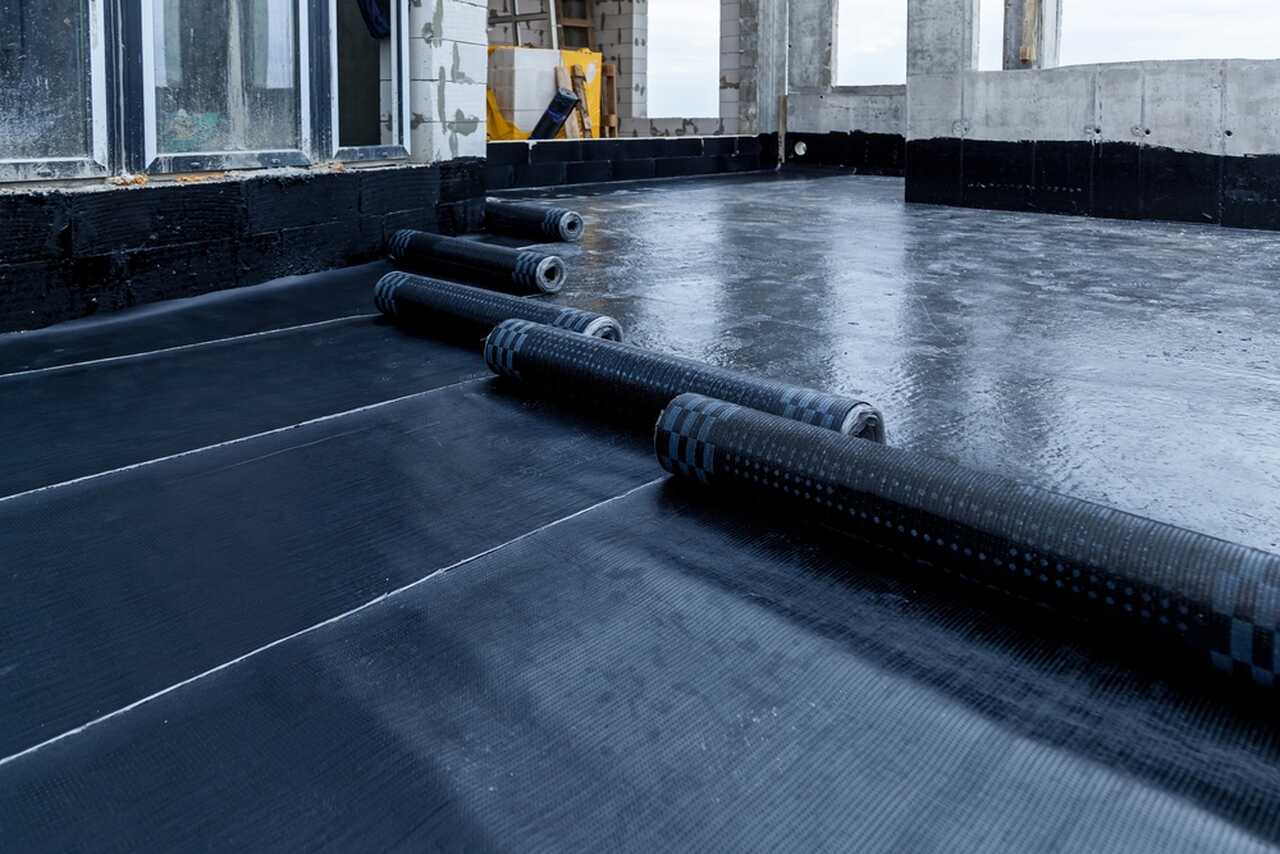
Concrete roofs are strong and long lasting, but they remain vulnerable to moisture penetration if not protected properly. Over time, water seepage can cause structural damage, paint deterioration, mold growth, and reinforcement corrosion. Applying the right waterproofing method ensures durability, prevents leakage, and extends the service life of the roof.
This guide explains the most effective concrete roof waterproofing methods, their advantages, cost factors, and selection tips for residential buildings.
Why Concrete Roof Waterproofing Is Necessary
Concrete may appear dense and solid, yet it contains microscopic pores that allow water to pass through slowly. Without proper waterproofing treatment, these pores become entry points for moisture.
Common problems caused by poor waterproofing include:
- Ceiling leakage
- Damp patches on walls
- Corrosion of steel reinforcement
- Mold formation
- Reduced structural strength
- Interior paint damage
Timely waterproofing protects both structure and interior finishes.
Types of Concrete Roof Waterproofing Methods
Selecting the right waterproofing system depends on roof condition, climate exposure, and budget. The following methods are widely used for residential buildings.
Cement Based Waterproofing Method
Cement based waterproofing is one of the most commonly used solutions for concrete roofs. It involves applying a polymer modified cement coating over the roof surface.
Key features:
- Easy application process
- Strong bonding with concrete surface
- Suitable for terraces and bathrooms
- Economical solution for residential roofs
This method works well as a base waterproofing layer but often performs best when combined with additional protection coatings.
Bituminous Waterproofing Membrane Method
Bituminous membranes are applied as sheets or liquid coatings that create a waterproof barrier over the concrete surface.
Advantages include:
- High water resistance
- Strong adhesion to concrete
- Suitable for large terrace areas
- Long service life when installed properly
Torch applied bituminous membranes are commonly used in new construction projects for reliable protection.
Liquid Waterproofing Membrane Method
Liquid waterproofing involves applying a flexible coating that forms a seamless protective layer over the roof surface after curing.
Benefits include:
- Crack bridging capability
- Seamless finish without joints
- Suitable for complex roof shapes
- Easy maintenance and repair
This method is ideal for terraces exposed to continuous sunlight and rainfall.
Polyurethane Waterproofing Coating Method
Polyurethane coatings provide strong waterproofing performance due to their flexibility and high bonding strength.
Key benefits:
- Excellent resistance to water penetration
- High elasticity to accommodate structural movement
- Suitable for exposed roofs
- Long lasting protection under harsh weather conditions
Professional surface preparation is necessary before applying this coating.
Acrylic Waterproofing Coating Method
Acrylic coatings are widely used for residential terrace waterproofing due to their reflective properties and ease of application.
Advantages include:
- UV resistance
- Reduced surface temperature
- Environment friendly composition
- Suitable for moderate rainfall regions
They also help improve indoor thermal comfort during hot seasons.
Brick Bat Coba Waterproofing Method
Brick bat coba is a traditional waterproofing technique commonly used in reinforced concrete terrace roofs.
The process includes:
- Laying broken brick pieces over the slab
- Applying cement mortar mixture
- Creating slope for drainage
- Finishing with waterproof plaster layer
Benefits of this method include:
- Improved drainage slope
- Thermal insulation support
- Long term durability when executed properly
It remains popular for independent houses with accessible terraces.
Injection Grouting Waterproofing Method
Injection grouting is used mainly for repairing existing leakage rather than preventive waterproofing.
This method involves:
- Injecting chemical grout into cracks
- Sealing water entry points
- Strengthening weakened concrete zones
It is particularly effective for repairing damaged roofs without removing existing flooring.
Factors That Affect Waterproofing Performance
Waterproofing durability depends on several practical conditions.
Important influencing factors include:
Surface preparation quality
Proper cleaning and crack repair improve bonding strength.
Slope for drainage
Standing water increases seepage risk significantly.
Material selection
High quality waterproofing compounds provide longer protection.
Application technique
Professional installation ensures consistent coverage.
Weather exposure conditions
Regions with heavy rainfall require stronger waterproofing systems.
Selecting the correct combination of these factors improves long term results.
Signs Your Concrete Roof Needs Waterproofing Treatment
Early identification prevents expensive structural repairs later.
Common warning signs include:
- Damp ceiling patches
- Peeling paint on interior walls
- Water dripping during rainfall
- Mold growth near ceiling corners
- Cracks visible on terrace surface
Immediate treatment helps prevent deeper structural damage.
Cost of Concrete Roof Waterproofing
Waterproofing costs depend on material type, roof condition, and application method.
Typical cost ranges per square foot include:
- Cement based waterproofing: moderate cost option
- Acrylic coating waterproofing: moderate to mid range cost
- Bituminous membrane waterproofing: mid range cost
- Polyurethane waterproofing: premium cost option
- Brick bat coba method: moderate investment with labor involvement
Inspection of the existing roof condition helps determine the exact budget requirement.
Tips to Increase Waterproofing Lifespan
Following preventive maintenance practices improves durability significantly.
Recommended steps include:
- Maintain proper drainage outlets
- Avoid standing water accumulation
- Inspect terrace cracks regularly
- Reapply protective coatings when required
- Use reflective surface coatings in hot climates
Regular inspection extends waterproofing effectiveness.
Choosing the Right Waterproofing Method for Your Roof
Selecting the correct method depends on roof usage and environmental exposure.
Cement based waterproofing suits budget friendly projects. Liquid membranes perform well for irregular roof surfaces. Polyurethane coatings are ideal for long term protection. Brick bat coba works best for accessible terrace roofs requiring slope correction.
Professional assessment ensures the most suitable method for each structure.
Frequently Asked Questions
How long does concrete roof waterproofing last
Most waterproofing treatments last between five and fifteen years depending on material quality and maintenance conditions.
Which waterproofing method is best for terrace roofs
Liquid membrane and polyurethane coatings are commonly preferred for terrace roofs exposed to direct weather conditions.
Can waterproofing be done on an old concrete roof
Yes, existing roofs can be waterproofed after repairing cracks and preparing the surface properly.
Is waterproofing necessary for newly constructed concrete roofs
Yes, applying waterproofing during construction prevents early seepage problems and increases structural life.
Does waterproofing reduce roof temperature
Reflective waterproofing coatings can help reduce surface heat absorption and improve indoor comfort.
How often should roof waterproofing be inspected
Roof waterproofing should be inspected at least once every year before the rainy season begins.
Can waterproofing stop leakage completely
Properly applied waterproofing combined with correct drainage design can prevent most leakage problems effectively.


