




Choosing between a flat roof and a sloped roof is one of the most important structural decisions in residential construction. Each roofing style offers different advantages in durability, maintenance, cost, climate suitability, and long term performance.
This guide explains the key differences between flat and sloped roofs so homeowners can select the most practical option for their property.
What Is a Flat Roof
A flat roof is a horizontal or nearly level roof surface designed with a slight slope to allow water drainage. It is commonly used in modern residential buildings and urban homes.
Typical components of flat roofing include:
- Reinforced concrete slab
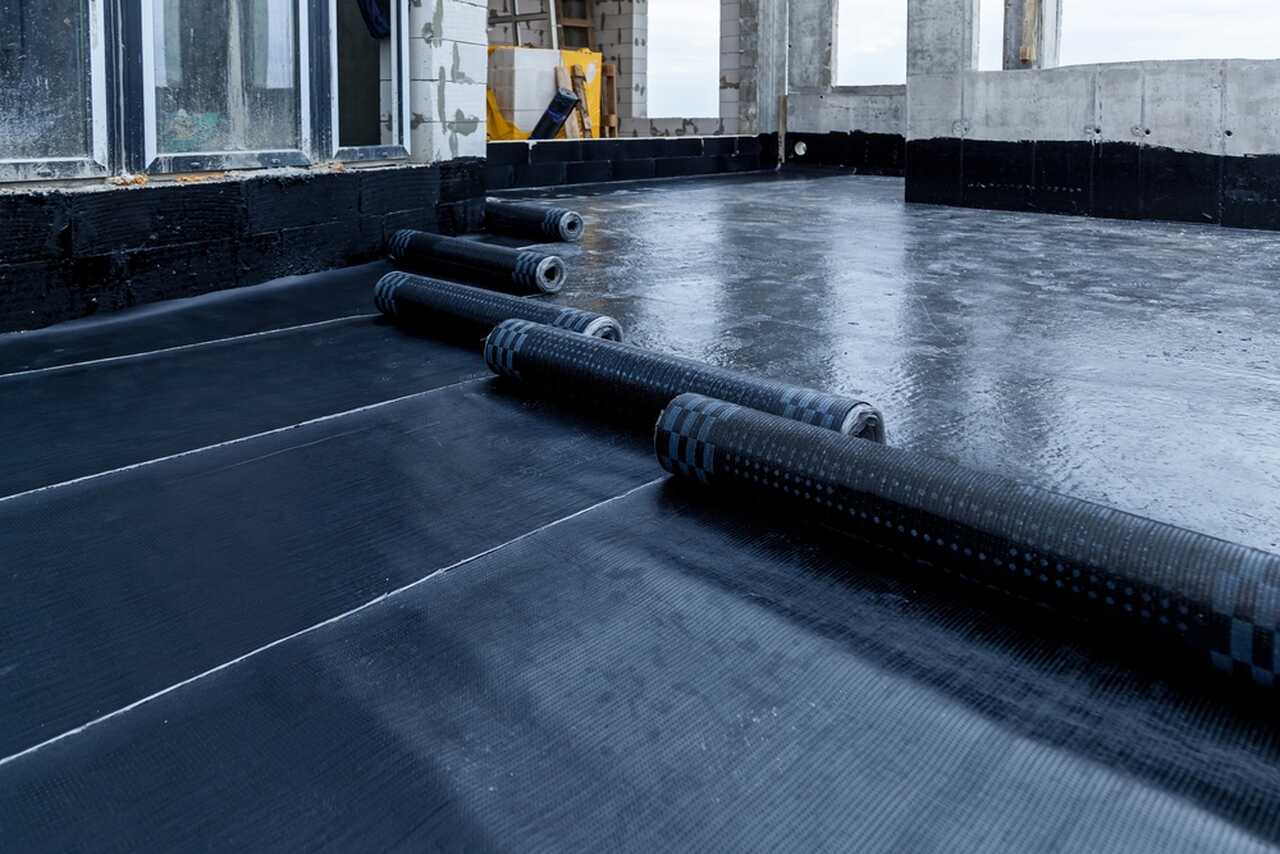
- Waterproofing layer
- Protective screed layer
- Drainage outlets
- Surface finishing such as tiles or coatings
Flat roofs are widely preferred where terrace usage is required.
What Is a Sloped Roof
A sloped roof, also known as a pitched roof, has an angled structure that allows rainwater to drain quickly. It is traditionally used in independent houses and regions with heavy rainfall.
Common sloped roof components include:
- Structural frame or truss
- Roofing sheets or tiles
- Insulation layer if required
- Ridge protection and flashing
- Gutters for drainage
This roofing type is known for efficient weather protection and durability.
Structural Differences Between Flat and Sloped Roofs
The primary difference lies in the load distribution and drainage design.
Flat roofs:
- Require stronger slab reinforcement
- Depend heavily on waterproofing
- Support terrace activities and installations
Sloped roofs:
- Use trusses or rafters for support
- Naturally drain rainwater
- Reduce chances of leakage
Structural planning must consider climate conditions and intended usage.
Cost Comparison Between Flat and Sloped Roofs
Cost varies depending on material quality and design complexity.
Flat roof costs usually include:
- Concrete slab construction
- Waterproofing treatment
- Finishing surface layer
Average cost range:
- Moderate finish flat roof: medium investment level
- Premium waterproofed terrace roof: higher investment level
Sloped roof costs include:
- Truss structure
- Roofing sheets or tiles
- Installation labor
Average cost range:
- Metal sheet sloped roof: economical option
- Clay tile sloped roof: moderate investment
- Designer tile roofing: premium option
Flat roofs may cost more initially but provide additional usable space.
Climate Suitability Comparison
Climate plays a major role in selecting roofing style.
Flat roofs are suitable for:
- Hot and dry regions
- Urban housing layouts
- Homes requiring terrace access
Sloped roofs perform better in:
- Heavy rainfall areas
- Snow prone regions
- Coastal environments
Correct roof selection improves long term structural performance.
Maintenance Requirements
Maintenance needs differ significantly between both roofing types.
Flat roof maintenance involves:
- Regular waterproofing inspection
- Drainage outlet cleaning
- Crack repair monitoring
Sloped roof maintenance involves:
- Tile inspection after storms
- Sheet fastening checks
- Gutter cleaning
Sloped roofs generally require less frequent maintenance.
Waterproofing Performance Comparison
Waterproofing reliability is an important factor when choosing roofing style.
Flat roofs rely entirely on waterproofing layers. Poor application increases leakage risk.
Sloped roofs allow natural water runoff, which reduces dependence on waterproof coatings.
However, flashing and joints still require proper sealing.
Space Utilization Benefits
Flat roofs offer functional advantages in residential construction.
Common terrace uses include:
- Outdoor seating space
- Solar panel installation
- Water tank placement
- Rooftop gardening
- Future vertical expansion
Sloped roofs typically do not provide usable rooftop space.
Energy Efficiency Considerations
Roof structure influences indoor temperature levels.
Flat roofs can include insulation layers that reduce heat transfer during summer.
Sloped roofs allow attic ventilation, which improves airflow and reduces indoor heat buildup.
Material selection further improves energy performance.
Aesthetic Differences
Roof style significantly affects architectural appearance.
Flat roofs create:
- Modern exterior design
- Minimalist building profile
- Clean geometric structure
Sloped roofs create:
- Traditional house appearance
- Classic architectural character
- Enhanced visual depth
Choice depends on design preference and neighborhood style.
Durability and Lifespan Comparison
Both roofing types can last decades when constructed properly.
Flat roof lifespan depends on:
- Waterproofing quality
- Concrete strength
- Maintenance frequency
Sloped roof lifespan depends on:
- Tile or sheet quality
- Structural framing durability
- Weather exposure conditions
High quality materials improve lifespan regardless of roof type.
Which Roof Type Is Better for Residential Homes
The best roofing choice depends on project requirements.
Flat roofs are ideal when:
- Terrace access is required
- Solar panels will be installed
- Future expansion is planned
- Modern design is preferred
Sloped roofs are ideal when:
- Rainfall is heavy
- Low maintenance is preferred
- Traditional appearance is desired
- Faster drainage is required
Selecting the right roofing structure improves comfort, safety, and long term value.
Frequently Asked Questions
Which roof type is more affordable for small houses
Metal sheet sloped roofs are usually more affordable than reinforced concrete flat roofs for smaller homes.
Can solar panels be installed on sloped roofs
Yes, solar panels can be installed on sloped roofs using mounting structures designed for angled surfaces.
Does a flat roof increase house temperature
Without insulation or reflective coatings, flat roofs may absorb more heat. Proper treatment improves thermal comfort significantly.
Are sloped roofs stronger than flat roofs
Both roof types are strong when engineered correctly. Strength depends more on construction quality than roof shape.
Which roofing type allows easier future expansion
Flat roofs allow easier vertical expansion compared to sloped roofs.
Do sloped roofs last longer than flat roofs
Sloped roofs often require fewer waterproofing repairs, which may help extend their effective service life.
Is terrace gardening possible on flat roofs
Yes, terrace gardening is possible when proper waterproofing and load capacity planning are completed.