



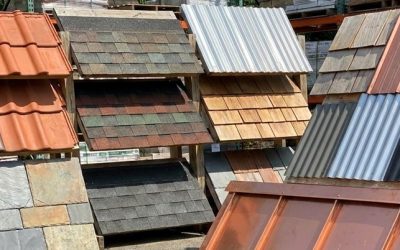

A roof is one of the most important parts of any home, providing shelter, comfort, and protection during the seasons. Choosing the right roofing material is about more than just curb appeal; it impacts energy efficiency, maintenance needs, and long-term costs. As Randy Matthew Finch explains, each material has its own strengths and weaknesses, and understanding these differences can help homeowners make decisions that align with their budget, climate, and personal preferences.
Whether you’re planning a new build or replacing an aging roof, weighing factors such as durability, local weather patterns, and overall value can significantly affect how well your roof performs over time. Taking the time to research and consult with professionals ensures you select the option that best fits your lifestyle and plans for the property. After all, a smart roofing choice can add years of worry-free protection and even boost your home’s value.
Why Durability Matters for Homeowners
Choosing a long-lasting material means fewer repairs and replacements, lowering maintenance costs across decades. In neighborhoods where storm damage is a concern, homeowners with durable roofs often face fewer insurance claims and enjoy peace of mind during severe weather.
A durable roof can also influence your home’s property value if you decide to sell. Many buyers look for homes with roofs that will not need immediate attention, making a sturdy, long-lasting roof an appealing feature. In regions where the weather can be harsh, selecting a resilient material is especially important to avoid damage and costly repairs.
Common Roofing Materials and Expected Lifespans
Homeowners have a wide range of roofing materials to choose from, each offering its own average lifespan. Asphalt shingles, one of the most common choices, typically last 15 to 30 years, while metal roofing often lasts 40 to 70 years. Some people opt for wood shingles or shakes, which generally last 30 to 40 years, depending on the climate and upkeep. The maintenance requirements for these materials can also affect their longevity, with regular cleaning and timely repairs extending their lifespan.
Those searching for even longer-lasting options might consider clay or concrete tiles, which are known to last for half a century or more. Slate stands out as a premium choice, often remaining intact for over a century when properly installed. Historic homes often feature slate roofs that have withstood generations of weather. With so many options, understanding these general timelines can help guide the best decision for your home’s needs.
Lifespan Comparison of Roofing Types
Slate roofs are renowned for their remarkable longevity, frequently lasting more than 100 years with minimal upkeep. Homeowners in historic neighborhoods often favor slate not just for its classic appearance but also for its resilience. Clay and concrete tiles are also built to last, with many installations still in excellent condition after several decades, especially in warmer climates where freeze-thaw cycles are less of a concern.
Metal roofing has gained popularity for its combination of durability and energy efficiency, with some systems performing well for several decades, especially in areas with heavy snow or rainfall. Synthetic materials have also entered the market, offering the appearance of traditional materials with improved resistance to weathering and aging.
Wood shingles and shakes, while beautiful and natural, generally require more maintenance and may not last as long in wet or fire-prone regions. Asphalt shingles, although affordable and easy to install, tend to have the shortest lifespan and are best suited for homeowners planning for shorter-term occupancy. The market now even includes recycled and eco-friendly roofing options, providing additional choices for environmentally conscious homeowners.
Key Factors That Affect Roof Longevity
The lifespan of a roof depends on more than just the material itself. Local climate plays a major role, as frequent storms, heavy snow, or intense sun can shorten the life of even the toughest roof. Proper installation is just as crucial; poor workmanship can lead to leaks and premature wear, no matter how high-quality the material. Choosing a reputable contractor and ensuring correct installation practices can make a big difference in how long a roof lasts.
Ongoing maintenance also makes a difference. Regular inspections and prompt repairs help catch small issues before they turn into expensive problems. In coastal areas, salty air can accelerate corrosion on some materials, while in wooded neighborhoods, falling branches can cause damage that shortens a roof’s life. Seasonal cleaning, especially after storms, is another way to extend a roof’s performance and appearance.
Balancing Cost and Long-Term Value
Choosing a roofing material involves more than comparing price tags. An option that costs more upfront, such as metal or slate, may end up saving money in the long run due to fewer replacements and repairs. When calculating value, it’s worth considering not only the installation but also ongoing expenses and potential increases in home value.
Budget-conscious homeowners sometimes lean toward asphalt shingles because of the lower initial investment. However, if you plan to stay in your home for many years, investing in a longer-lasting material reduces any hassles and unplanned costs down the road. The balance between immediate affordability and future savings often shapes the final decision for most families.
Tips for Selecting the Right Material
Climate, budget, and personal style all influence the best roofing choice for a home. Those living in areas with frequent hail or high winds might prioritize impact-resistant materials, while others may seek out options that complement the architecture of a historic property. Consulting with a trusted roofing professional can clarify which materials meet practical needs and aesthetic goals. Weighing these factors carefully helps ensure your new roof stands the test of time, adding protection and value to your home.