






Steel buildings offer fast construction, durability, and flexibility for a variety of uses—from workshops and warehouses to garages and commercial spaces. However, cold-climate locations pose unique insulation challenges that can affect comfort, longevity, and energy costs. To ensure your steel building performs efficiently throughout winter, it’s essential to follow the most effective insulation practices designed for low temperatures, heavy snow loads, and wide temperature fluctuations.
Understanding Cold-Climatic Challenges
Steel structures face distinct winter hazards: rapid temperature swings can cause metal to expand and contract; snow and ice put heavy loads on roofs; condensation and moisture accelerate corrosion and mold risk. Without proper insulation, interior spaces become uncomfortably cold, heaters work overtime, and utility bills skyrocket.
Select Insulation with High R-Values
R-value measures an insulation’s ability to resist heat flow—the higher the number, the better its performance in extreme cold. In freezing climates, look for insulation that offers an R-value of 19 or higher for walls and 30 or higher for roofs. Common choices include:
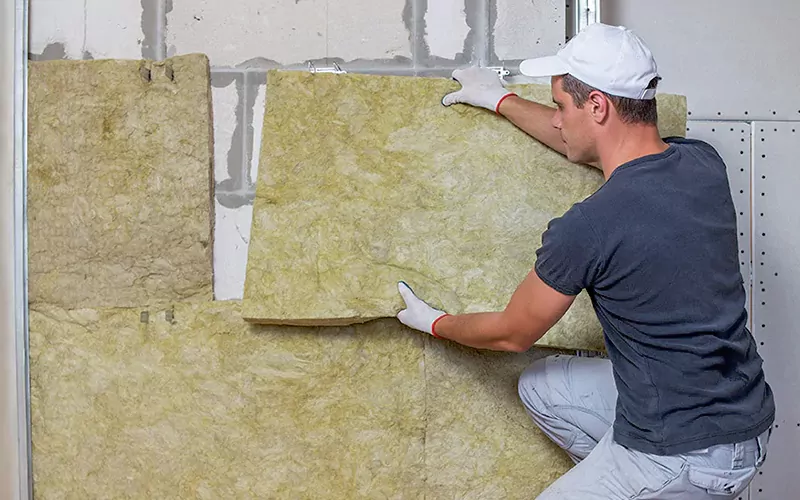
- Fiberglass Batts: Affordable and widely available, these insulate between steel building framing. Always install with a vapor barrier to reduce condensation.
- Spray Foam: Expands to tightly fill gaps, preventing drafts and thermal bridges; it offers one of the highest R-values per inch and excellent moisture resistance.
- Rigid Foam Boards (Polyiso or EPS): Provide high thermal performance and can be installed as continuous insulation over the structure, limiting cold spots.
- Insulated Metal Panels: Combine insulation and structural strength for commercial projects needing robust cold-weather performance.
Consider double-layer insulation for occupied spaces or buildings that require temperature-sensitive storage.
Prevent Condensation and Moisture Buildup
Condensation is a major concern in cold climates. When warm interior air hits cold steel, moisture can collect on surfaces and drip down, causing rust, mold, or water damage. To minimize this risk:
- Always install a quality vapor barrier with your insulation; this film creates a moisture-resistant shield on the warm side of walls and ceilings.
- Sealing all seams and joints with caulk or spray foam closes air leaks where moisture could infiltrate.
- Use insulated doors and windows to limit cold air ingress.
- Ensure the foundation and roof have adequate insulation to avoid “thermal bridging”—the spots where uninsulated steel frames can conduct cold inside.
Air Sealing: Gaps, Leaks, and Penetrations
Even the best insulation loses its effectiveness if gaps and penetrations allow cold drafts to enter. For steel buildings:
- Carefully seal around window and door frames, utility pipes, and electrical conduits.
- Apply caulk, tape, or expanding foam insulation to fill small leaks in the envelope.
- Inspect regularly for settling or damage, especially after storms and freeze-thaw cycles; reseal as needed for ongoing protection.
Foundation and Roof Insulation
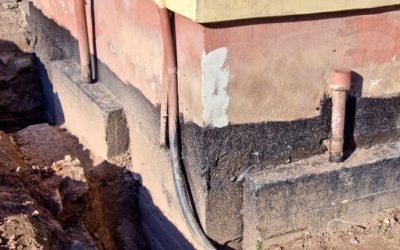
The foundation and roof are critical points for heat loss in steel buildings. In regions with frost heave, insulating around the building’s base protects both structure and interior comfort. For roofs:
- Choose insulation that withstands snow loads and resists compression—a compressed layer loses R-value and can create ice dams or water pooling.
- Consider installing reflective barriers beneath roof panels for enhanced thermal performance; these can help limit radiant heat loss on sunny winter days.
Heating and Ventilation Considerations
Proper insulation should be paired with a well-maintained heating and ventilation system. Programmable thermostats and zoning systems can maintain consistent temperatures and boost efficiency. Ventilation is key for removing moisture and keeping air quality high—ensure exhaust fans and vents operate correctly, especially in bathrooms, kitchens, or high-humidity zones.
DIY vs. Professional Installation
While DIY insulation is feasible with batts and foam boards, complex systems or large commercial buildings often benefit from professional installation for long-lasting performance and warranty coverage. Insulation contractors can identify the best products and methods tailored to your climate and usage, ensuring code compliance and proper vapor barrier installation.
Consider Insulation from CMI
For those seeking turnkey solutions tailored to harsh climates, steel building insulation from CMI can simplify your project. CMI offers expertly engineered systems designed for cold regions, combining high-R-value materials, vapor protection, and professional guidance to provide steel buildings with maximum comfort and durability throughout the winter. Ask about custom packages for your size, application, and climate needs.
Proper insulation transforms a steel building from a cold box into a comfortable, efficient year-round workspace, garage, or commercial hub. Focus on high-R-value products, moisture control, air sealing, and professional installation where possible—these best practices will protect your steel building from even the harshest winter challenges.
Well-insulated steel buildings are quieter, safer, more comfortable, and cost far less to heat. When planned right, you’ll enjoy a space that performs better every season, no matter how low the temperature drops.