




The situation can feel overwhelming when water starts pooling in your yard or sneaking into your basement. Many homeowners turn to French drains as a go-to solution, and for good reason. These systems are designed to direct water away from your home, protecting your foundation and reducing the risk of flooding. But while French drains are effective in many cases, they’re not always the perfect fix.
Before you commit to installation, it’s worth taking a closer look at the hidden disadvantages of a French drain. Understanding the full picture can help you decide if it’s the right choice for your property—especially if you’re considering a French drain Cleveland homeowners can depend on for long-term results.
Why Homeowners Choose French Drains
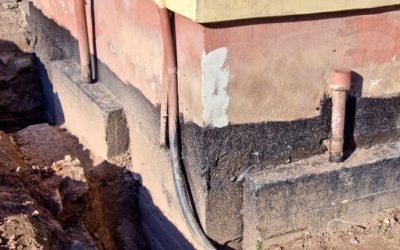
A French drain is a trench filled with gravel and a perforated pipe that helps move water away from your home. It’s a popular option for properties with poor yard drainage or recurring basement leaks. Redirecting water can prevent damage to your foundation and keep basements dry.
A well-installed French drain can greatly affect how your property handles water, especially in rainy climates or areas with sloped yards. But like any home improvement project, it’s not without its drawbacks.
1. Installation Can Be Disruptive and Labor-Intensive
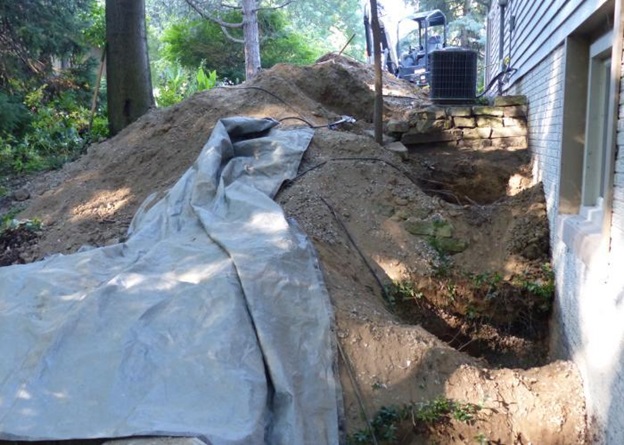
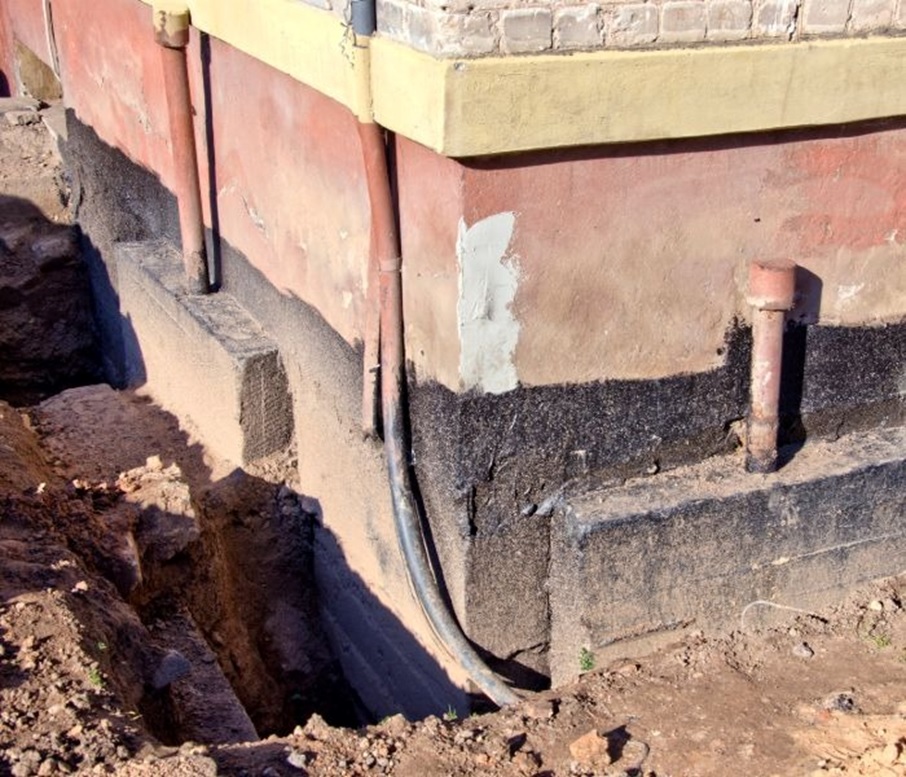
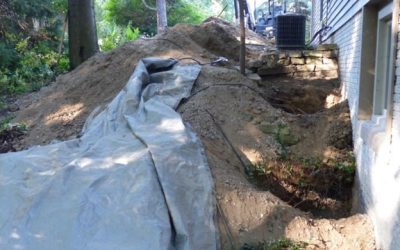
One of the biggest challenges with a French drain is the installation process. Whether it’s going in your yard or under your basement floor, it involves digging deep trenches, often around existing landscaping, patios, or walkways.
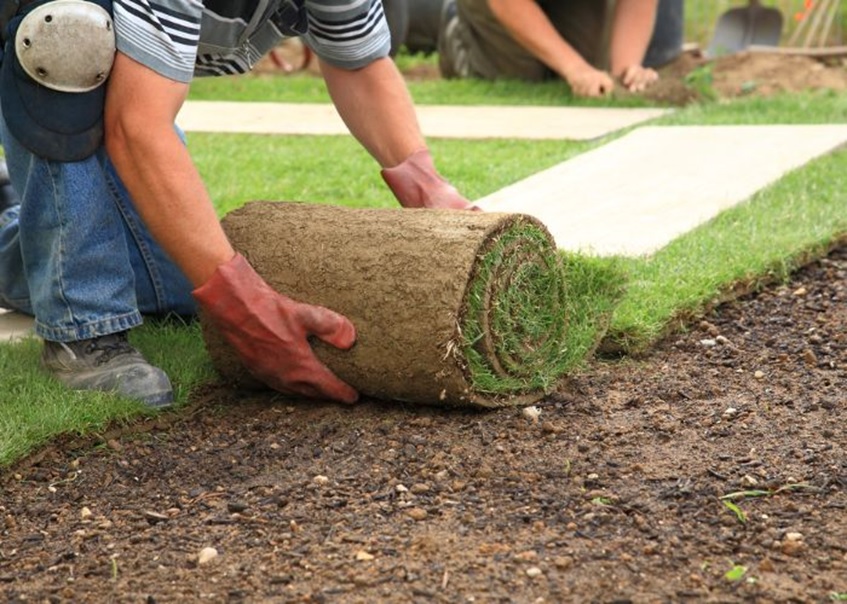
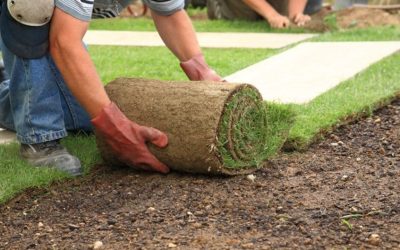
Grass, shrubs, or stonework may need to be removed and replaced for exterior systems. Part of your basement floor must be cut out. For interior French drains, this process can be noisy, dusty, and time-consuming. If you’re looking for a quick and simple fix, this may not be it.
2. Maintenance Is Ongoing
Once installed, French drains aren’t maintenance-free. Over time, the pipe can become clogged with dirt, sediment, or even invasive roots. Without regular upkeep, a clogged system won’t move water efficiently, defeating the purpose.
Flushing the system periodically and watching for signs of blockage are key to keeping your French drain working properly. While maintenance isn’t overly complicated, it’s something homeowners must plan for long after the installation is done.
3. Not Ideal for All Soil or Yard Types
French drains are highly effective in the right setting, but not all properties are ideal. If your yard has clay-heavy soil, water may not drain quickly, which reduces the system’s performance. Likewise, if your yard is flat with no natural slope, water may not flow through the drain as expected.
Before investing in a French drain, assessing your soil and yard layout is important. Otherwise, you might end up with a system that offers minimal benefit.
4. May Not Address the Root Cause
Installing a French drain solves the symptom—water collecting where it shouldn’t—but it doesn’t always address the underlying problem. Poor grading around your home, faulty gutters, or roof runoff could still be causing water to gather near your foundation.
Without fixing these contributing issues, water can still return, even with a French drain in place. In many cases, it’s best to combine a drain with other improvements for full protection.
5. Durability Depends on Installation Quality
Not all French drains are built the same. Poor-quality materials or rushed installation can lead to pipes collapsing, gravel shifting, or drains becoming ineffective within just a few years.
To make the investment worthwhile, using quality parts and hiring experienced professionals is essential. A properly installed French drain can last for decades, but cutting corners can lead to frustration and unexpected costs.
6. Interior French Drains Come with Their Own Challenges
For basements with frequent water problems, an interior French drain may seem like a smart choice. But remember that this system involves cutting into your basement’s concrete floor to lay pipe and drainage channels. Dust, debris, and noise can disrupt your living space during installation.
Additionally, while interior drains are effective at moving water to a sump pump, they don’t stop water from entering in the first place. This means you’ll still need to address outside grading or foundation cracks to keep your basement fully dry.
Is a French Drain Right for You?
Despite these disadvantages, a French drain can be a valuable tool in the right situation. It works best when used alongside other water control strategies and when installed properly. It may be worth exploring if you have standing water in your yard or constant basement dampness.
Before deciding, consult a professional to evaluate your yard, foundation, and overall drainage issues. They can help determine whether a French drain is truly the best fit, or if there’s a more targeted, less invasive solution available.
Conclusion
A French drain can offer big benefits, but it’s not always the best or only solution. From installation hassles to maintenance needs and soil limitations, several downsides exist. Still, with the right plan and professional help, it can be a powerful tool for keeping water away from your home.
Knowledge is power. Understanding the disadvantages of a French drain helps you make smarter, more confident choices when it comes to protecting your home.
Expert Basement Waterproofing Cleveland is here to guide you if you’re considering a French drain or need expert help with basement water issues. Our team specializes in reliable, long-lasting drainage and waterproofing solutions. Contact us today to schedule your free evaluation and take the first step toward a drier, healthier home.