




Redoing a driveway? Building a new parking area or walkway? Whether it’s for your home or business, investing in quality paving can transform your property. But here’s the truth: it only pays off if it’s done right. A sleek new surface might look great at first, but if the groundwork isn’t solid or the materials aren’t right, you’ll be dealing with cracks, dips, and costly repairs before long.
The secret to long-lasting paving isn’t flashy equipment or expensive materials—it’s about smart choices, skilled hands, and knowing what to watch out for. Let’s dig into the key ingredients of a paving project that not only looks good but holds up over time.
Start Strong with Proper Groundwork
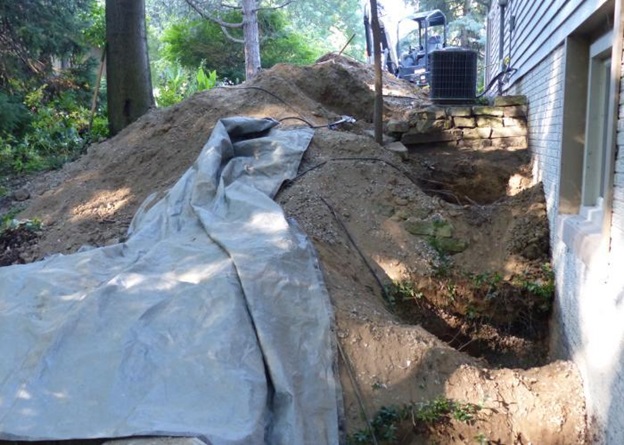
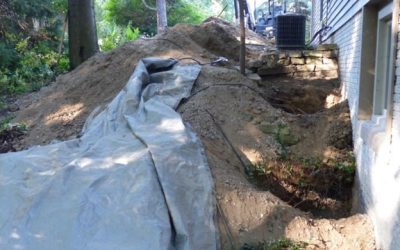
The surface you see is only half the story. What’s underneath is where your pavement’s lifespan is truly decided. This is why site preparation is so crucial. Every successful paving project starts with a stable, compacted base. If the soil is soft, uneven, or holds water, the pavement above it won’t stand a chance.
Before any asphalt or concrete gets poured, the area needs to be cleared of debris, vegetation, and topsoil. Then it’s time to grade and slope the site correctly so water can drain away from the surface—not pool on top or seep underneath. Skipping these steps to save time or money almost always leads to regret.
Materials Matter—Choose Wisely
The choice between asphalt and concrete isn’t just cosmetic. Asphalt offers flexibility, which makes it ideal for areas with shifting soils or freeze-thaw cycles. It’s also quicker to install and typically more affordable up front. Concrete, on the other hand, is known for its strength and crisp, clean finish. It handles heavy loads better and often lasts longer with less routine maintenance.
But even within those categories, there are choices to make. Not all asphalt is the same. The mix can be adjusted for durability, temperature resistance, or appearance. The same goes for concrete—it can be reinforced, textured, or sealed depending on the demands of the project. Climate, expected usage, and even sun exposure should all influence the final decision.
Map It Out Before Breaking Ground
You wouldn’t build a house without a blueprint, so don’t approach paving without a plan. Think beyond just where you want the surface to go. What type of vehicles will use it? Will people be walking or playing on it? Is there enough slope to prevent water from pooling?
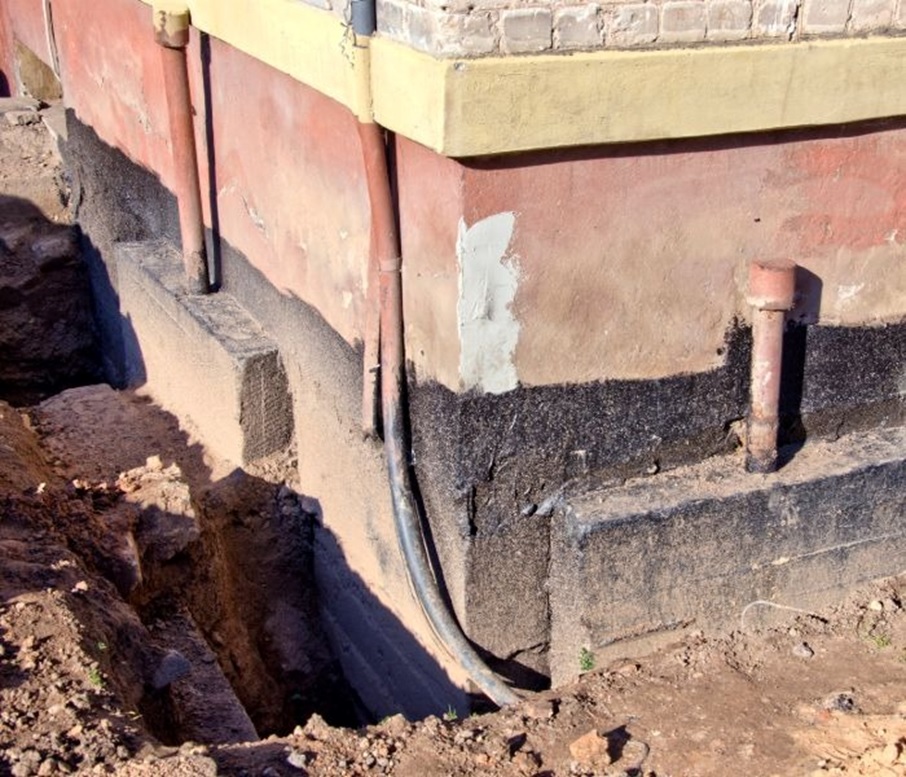
Drainage is one of the most overlooked parts of paving—and one of the most damaging if ignored. Even a perfectly paved driveway will fail early if water gets trapped underneath or runs where it shouldn’t. Take the time to think about the big picture now, and your future self will thank you.
Get the Timing Right
Paving isn’t an all-season job. Weather plays a major role in how well asphalt or concrete sets and cures. Hot, dry days are ideal for asphalt, which needs heat to compact properly. Concrete prefers mild temperatures and dry conditions so it can cure evenly without cracking.
Avoid scheduling your paving project during times of high moisture, extreme heat, or unpredictable weather. Early spring and late fall can be risky unless conditions are perfect. Your best bet? Mid-to-late summer, when you’re less likely to get rained out or frozen in.
Hire the Right Team—Not Just the Cheapest
The best materials in the world won’t matter if the crew pouring them doesn’t know what they’re doing. Paving is both an art and a science. The sub-base has to be level. The material has to be the right temperature. The compaction has to be consistent. Miss any of those, and you’ll see issues before the year is out.
Look for a contractor with a proven track record, not just a low bid. Ask to see photos of past projects, check reviews, and don’t be afraid to ask questions. A good team will welcome them.
The Work Doesn’t End When the Trucks Leave
Here’s a big one most people miss: the moment your paving is done is the moment maintenance begins.
Asphalt needs to be sealed regularly to protect it from UV rays, water, and oil stains. The first seal should usually be applied within six months to a year, depending on the climate and usage. After that, every two to three years will help keep it in top shape.
Concrete requires a different kind of care. Watch for hairline cracks and signs of settling. Clean it regularly to prevent staining and buildup. And be careful with heavy vehicles or equipment during the curing period—concrete may look solid, but it takes time to reach full strength.
Common Pitfalls (and How to Dodge Them)
Some mistakes are easy to make—and expensive to fix. Driving on freshly paved surfaces too soon is a big one. Asphalt needs at least 24 to 48 hours before handling vehicle weight, while concrete often needs a full week or more.
Water management is another frequent issue. Without proper grading or drainage channels, water will work its way under the surface and slowly destroy your pavement from the inside out. Always check that your contractor is building with drainage in mind.
Good Paving Is More Than Just Pretty
Yes, a smooth, black driveway looks great. But the real payoff goes deeper. Quality paving improves safety by reducing tripping hazards and keeping surfaces even. It boosts your property value. For businesses, it makes a strong first impression. For homes, it shows you care about upkeep.
Go Green Where You Can
Sustainability isn’t just for rooftops and recycling bins. Green paving solutions are becoming more common—and more affordable. Permeable pavers let water drain through to the ground below, reducing runoff and pressure on storm drains. Recycled materials are also widely available, helping to reduce waste and lower costs.
Not only are these options better for the planet, but they may also help you qualify for tax credits, rebates, or local green-building programs. If you’re already investing in a paving project, it’s worth looking into.
Every paving project is unique
The path to success looks the same: prepare properly, choose the right materials, hire skilled people, plan ahead, and stay on top of maintenance. It doesn’t need to be complicated—it just needs to be done right.
If you’re thinking about getting started, take the time to do your research, talk to the right people, and understand the steps involved. A little extra effort now means you won’t have to revisit the same project two or three years from now.
Paving isn’t just a surface—it’s a long-term investment in how your property looks, functions, and holds its value. A well-executed paving installation is something you can count on for many years to come.