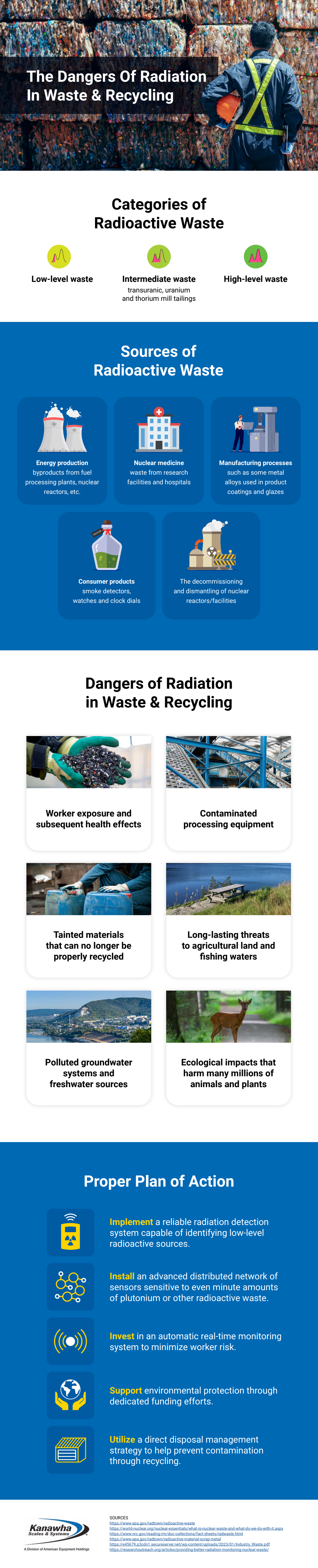








As landfills near capacity and environmental contamination worsens, the demand for sustainable and efficient waste management solutions has never been more pressing. One of the most hazardous types of waste is radioactive material, which poses enduring threats to both public health and ecosystems due to its persistent toxicity.
Radioactive waste originates from multiple sources, including nuclear energy production, the nuclear fuel cycle, medical treatments, industrial processes, scientific research, and even some consumer goods. Given its widespread generation, stringent regulations are crucial to minimizing contamination risks and protecting communities.
Improper handling or disposal of radioactive waste can lead to severe consequences, such as soil and water pollution, endangering both human life and the balance of natural ecosystems.
Technological advancements are playing a crucial role in enhancing radioactive waste management. For instance, the use of a train loadout system enables accurate monitoring and streamlined transportation, significantly improving both safety and efficiency in disposal efforts. These innovations highlight the importance of integrating modern solutions to address one of the most pressing environmental challenges of our time.
For more insights into best practices for managing radioactive waste, explore the linked resource.