





Chicago’s diverse weather patterns—from heavy winter snowfall to intense summer storms—pose unique challenges to residential roofs. At OverWatch Roofing, we’ve encountered a variety of issues specific to the Cicero, Berwyn and greater Chicago area. Here’s an overview of the most prevalent roofing problems homeowners face and how to address them.
Wind Damage and Blown-Off Shingles
The Windy City’s namesake is no exaggeration. Strong winds can loosen or remove shingles, especially if they’re aging or improperly installed. Missing shingles expose the underlying roof structure to moisture, leading to potential leaks and water damage.
According to the National Roofing Contractors Association, wind damage accounts for nearly 60% of all insurance claims related to roofing.
Preventive Tip: Regularly inspect your roof, especially after storms, to promptly identify and replace missing or damaged shingles.
Ice Dams and Snow Accumulation
Chicago winters often bring heavy snowfall. When heat escapes from the attic, it melts the snow on the roof, which then refreezes at the eaves, forming ice dams. These dams prevent proper drainage, causing water to seep under shingles and into the home.
Preventive Tip: Ensure your attic is well-insulated and ventilated to maintain a uniform roof temperature, reducing the risk of ice dams.
Hail Damage
Hailstorms can cause significant damage to roofing materials. Hailstones can dent metal components, crack shingles, and compromise the roof’s integrity, leading to leaks.
According to the Insurance Information Institute, Illinois was ranked among the top 10 states for hail loss claims in 2023, highlighting the importance of hail-resistant roofing materials in areas like Cicero.
Preventive Tip: After a hailstorm, have a professional roofing contractor inspect your roof for hidden damages that might not be immediately visible.
Flat Roof Drainage Issues
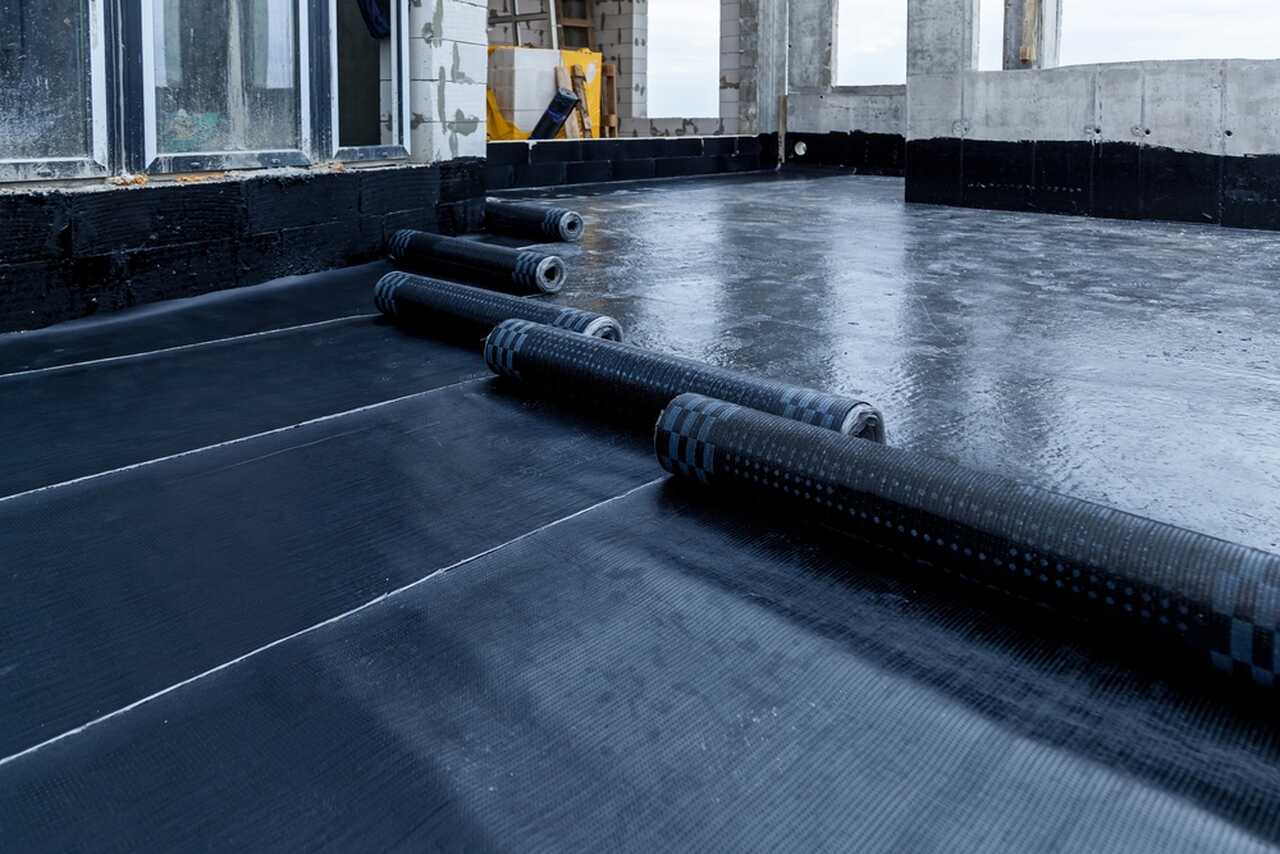
Many Chicago, especially in urban areas, feature flat or low-slope roofs. These designs can lead to water pooling if drainage systems are inadequate or clogged, increasing the risk of leaks and structural damage.
Preventive Tip: Regularly clean gutters and downspouts, and ensure that drainage systems are functioning correctly to prevent water accumulation.
Aging Roofs and Material Deterioration
Over time, roofing materials deteriorate due to exposure to the elements. In Chicago, Illinois, temperature fluctuations and varying weather conditions can accelerate this aging process, leading to cracks, leaks, and reduced insulation.
The average age of homes in the Cicero area is between 60-80 years old making roof age a key concern for many residents.
Preventive Tip: Schedule annual roof inspections to assess the condition of your roofing materials and address minor issues before they escalate.
Repair vs. Replacement: How to Decide When Problems Arise
When roofing issues strike, homeowners are often left wondering: should I repair the damage or invest in a complete roof replacement? The answer depends on several key factors:
Extent of the Damage
A repair is typically sufficient if the issue is isolated—like a few missing shingles or a small leak. However, widespread damage across multiple areas or signs of structural compromise might indicate the need for a replacement.
Age of Your Roof
Most asphalt shingle roofs last 20-25 years, while metal roofs can last 40-70 years. If your roof is nearing the end of its expected lifespan, replacement may be more cost-effective in the long run.
Frequency of Repairs
If you find yourself calling a roofer every season, it’s a sign that your roof is on its last legs. Investing in a new roof can save you from ongoing maintenance costs.
Energy Efficiency and Modern Upgrades
Older roofs may lack insulation and energy-efficient materials. A new roof can offer better thermal performance, reduce utility bills, and improve your home’s value.
Insurance Considerations
Storm-related damage may be partially or fully covered by insurance. In such cases, a replacement might be financially feasible with minimal out-of-pocket cost.
Schedule a professional inspection with OverWatch Roofing to assess the severity of the problem and get a clear, honest recommendation.
To make the most of your investment—especially if a full replacement is on the table—you’ll also want to carefully consider which roofing system best suits your home’s needs.
Choosing the Right Roofing Material: Asphalt Shingles vs. Metal Roofing
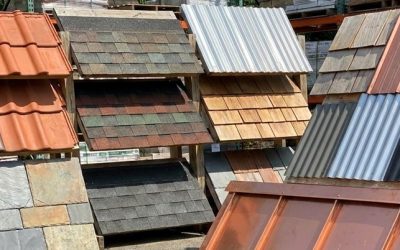
When the time comes to replace your roof, choosing the right material is crucial—especially in Cicero, Berwyn and greater Chicago where weather conditions are harsh and unpredictable. Here, we break down two popular choices:
Asphalt Shingles
Pros:
- Affordable upfront cost
- Quick installation
- Wide range of colors and styles
- Easy to repair or patch
Cons:
- Shorter lifespan (20-25 years)
- Prone to wind and hail damage
- Can develop mold or algae in humid conditions
Best For: Homeowners on a budget who need a fast solution, especially for steep-slope roofs.
Metal Roofing
Pros:
- Extremely durable (40-70 years lifespan)
- Excellent resistance to snow, wind, and hail
- Energy-efficient and reflects sunlight
- Low maintenance
Cons:
- Higher upfront cost
- Louder during rain or hail unless properly insulated
Best For: Homeowners planning to stay long-term, or those in storm-prone areas wanting peace of mind.
Environmental Factors to Consider
- Snow load: Metal roofs allow snow to slide off more easily.
- Wind zones: Metal stands up better to high winds, which are common in Cicero.
- Hail resistance: Impact-resistant asphalt shingles and metal are both options, but metal performs better over time.
Need Expert Advice? We’re Here to Help
At OverWatch Roofing Cicero, we understand that roofing isn’t one-size-fits-all. Our team will help you weigh the pros and cons, assess your existing roof, and recommend the best course of action based on your budget, location, and long-term goals.
Whether you’re dealing with storm damage or planning for the future, we’re your trusted roofing contractor.