





A full home renovation is a significant investment that improves functionality, comfort, and long-term property value. Whether upgrading an aging house or modernizing interiors for better living standards, understanding the cost structure helps avoid budget overruns and delays.
This guide explains the major renovation components, realistic cost expectations, and factors that influence the total investment required for a complete house renovation.
What Is Included in a Full Home Renovation
A complete renovation usually involves structural improvements, aesthetic upgrades, and system replacements. Depending on the condition of the house, the scope may include:
- Flooring replacement
- Kitchen and bathroom remodeling
- Electrical rewiring
- Plumbing upgrades
- Painting and wall treatments
- Ceiling redesign
- Doors and windows replacement
- Storage solutions and wardrobes
- Exterior repairs and finishing
The final budget depends on how many of these components are included and the quality level selected.
Average Cost of Full Home Renovation
Renovation costs vary based on property size, location, material quality, and labor availability. However, approximate renovation budgets typically fall into these ranges:
- Basic renovation: moderate cosmetic upgrades with minimal structural work
- Mid-range renovation: complete interior upgrades with improved finishes
- Premium renovation: high-end materials with structural redesign elements
Estimated renovation costs per square foot:
- Basic renovation: ₹1,200 to ₹1,800
- Mid-range renovation: ₹1,800 to ₹3,500
- Premium renovation: ₹3,500 to ₹7,000 or more
For a standard 1,500 sq ft home:
- Basic renovation: ₹18 lakh to ₹27 lakh
- Mid-range renovation: ₹27 lakh to ₹52 lakh
- Premium renovation: ₹52 lakh and above
These ranges shift depending on design complexity and city-level labor rates.
Structural Renovation Costs
Structural upgrades are often the most expensive part of a renovation project.
They may include:
- Wall removal or layout modification
- Roof repair or replacement
- Waterproofing
- Foundation strengthening
- Balcony extensions
Estimated structural renovation costs:
- Minor structural work: ₹2 lakh to ₹6 lakh
- Moderate redesign: ₹6 lakh to ₹15 lakh
- Major reconstruction: ₹15 lakh and above
Structural changes require professional supervision to ensure safety compliance.
Flooring Renovation Costs
Flooring significantly affects both aesthetics and durability.
Common flooring choices include:
- Vitrified tiles
- Marble flooring
- Wooden flooring
- Granite flooring
- Vinyl flooring
Average cost per square foot:
- Vitrified tiles: ₹80 to ₹250
- Granite: ₹250 to ₹500
- Marble: ₹300 to ₹1,200
- Engineered wood: ₹250 to ₹700
- Vinyl flooring: ₹120 to ₹350
Labor charges typically add 20 to 40 percent to the material cost.
Kitchen Renovation Costs
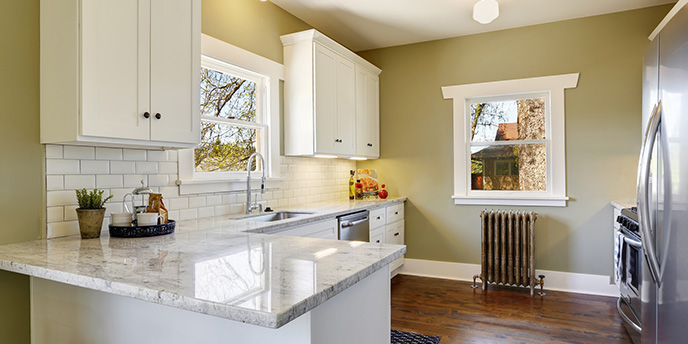
Kitchen remodeling is one of the most impactful upgrades in a full renovation.
Typical renovation elements include:
- Modular cabinets
- Countertops
- Sink and fittings
- Backsplash tiling
- Electrical upgrades
- Storage optimization
Average kitchen renovation cost:
- Basic modular kitchen: ₹1.5 lakh to ₹3 lakh
- Mid-range kitchen upgrade: ₹3 lakh to ₹6 lakh
- Premium kitchen renovation: ₹6 lakh to ₹12 lakh
Countertop materials such as quartz and granite influence pricing significantly.
Bathroom Renovation Costs
Bathrooms require waterproofing, plumbing accuracy, and durable finishes.
Typical upgrade components include:
- Wall and floor tiles
- Sanitary fixtures
- Shower partitions
- Vanity units
- Exhaust systems
Estimated renovation cost per bathroom:
- Basic upgrade: ₹80,000 to ₹1.5 lakh
- Mid-range upgrade: ₹1.5 lakh to ₹3 lakh
- Premium upgrade: ₹3 lakh to ₹6 lakh
Luxury fittings increase the overall budget considerably.
Electrical and Plumbing Upgrades
Older homes often need complete system replacement for safety and efficiency.
Electrical renovation includes:
- Rewiring
- Distribution boards
- Switches and lighting
- Smart automation options
Estimated electrical upgrade cost:
- ₹120 to ₹250 per square foot
Plumbing renovation includes:
- Pipe replacement
- Drainage improvements
- Water pressure correction
- Fixture upgrades
Estimated plumbing upgrade cost:
- ₹80 to ₹200 per square foot
Hidden infrastructure improvements add long-term reliability to the property.
Doors, Windows, and Carpentry Costs
Carpentry contributes both functionality and visual refinement.
Typical carpentry elements include:
- Wardrobes
- Modular storage
- Doors replacement
- Window upgrades
- TV units and shelving
Estimated costs:
- Wardrobes: ₹1,500 to ₹3,500 per square foot
- Doors replacement: ₹8,000 to ₹40,000 per door
- Aluminum windows: ₹400 to ₹1,200 per square foot
Custom carpentry increases costs but improves usability and space efficiency.
Painting and Wall Finishing Costs
Painting enhances appearance and protects surfaces.
Common finishing options include:
- Emulsion paints
- Texture paints
- Waterproof coatings
- Decorative panels
- Wallpaper finishes
Estimated painting cost per square foot:
- Basic painting: ₹15 to ₹30
- Premium painting: ₹30 to ₹80
- Designer wall finishes: ₹80 to ₹250
Exterior repainting costs slightly more due to weather-resistant materials.
False Ceiling and Lighting Costs
False ceilings improve insulation, lighting distribution, and aesthetics.
Common ceiling types include:
- Gypsum ceiling
- POP ceiling
- Wooden ceiling panels
- Cove lighting designs
Estimated cost:
- Gypsum ceiling: ₹80 to ₹150 per square foot
- POP ceiling: ₹70 to ₹140 per square foot
- Cove lighting installation: ₹5,000 to ₹30,000 depending on layout
Lighting upgrades further enhance interior appeal.
Factors That Influence Renovation Costs
Several variables affect the total renovation budget:
Property size
Larger homes require higher material and labor investments.
Material selection
Premium finishes significantly increase overall expenses.
Labor charges
Costs vary between cities and contractor expertise levels.
Design complexity
Customized layouts increase execution time and cost.
Structural condition
Older properties usually require higher infrastructure upgrades.
Planning around these variables ensures better financial control.
Hidden Costs Homeowners Often Miss
Unexpected expenses frequently appear during renovation projects.
Common overlooked costs include:
- Demolition and debris removal
- Temporary relocation expenses
- Permit approvals
- Waterproofing corrections
- Electrical load upgrades
- Contingency repairs
Keeping 10 to 15 percent of the total budget reserved for contingencies helps manage surprises effectively.
Tips to Control Full Renovation Expenses
Smart planning can significantly reduce renovation costs without compromising quality.
Practical strategies include:
- Prioritize structural repairs first
- Choose mid-range durable materials
- Avoid unnecessary layout changes
- Compare multiple contractor quotations
- Purchase materials directly when possible
- Schedule work during off-peak seasons
Efficient planning leads to better long-term savings.
Frequently Asked Questions
How long does a full home renovation usually take
A complete renovation typically takes between two and six months depending on the project size, material availability, and structural changes involved.
Is it cheaper to renovate an old home or rebuild it
Renovation is usually cheaper when the structure is stable. However, if foundation damage exists, rebuilding may become more cost-effective.
Should I hire an architect for full renovation projects
Hiring an architect improves space planning, structural safety, and execution efficiency, especially for major renovations.
Can I renovate my home in phases instead of all at once
Yes. Renovating in phases helps manage budget pressure and allows homeowners to prioritize essential upgrades first.
Which renovation upgrade adds the most property value
Kitchen remodeling, bathroom upgrades, flooring replacement, and modern storage solutions typically increase resale value the most.
What percentage of property value should be spent on renovation
A renovation budget between 10 percent and 25 percent of the property’s market value is generally considered reasonable.
How can I estimate renovation costs accurately before starting work
Preparing a detailed scope of work, comparing contractor quotations, and including contingency reserves helps create reliable cost estimates before construction begins.