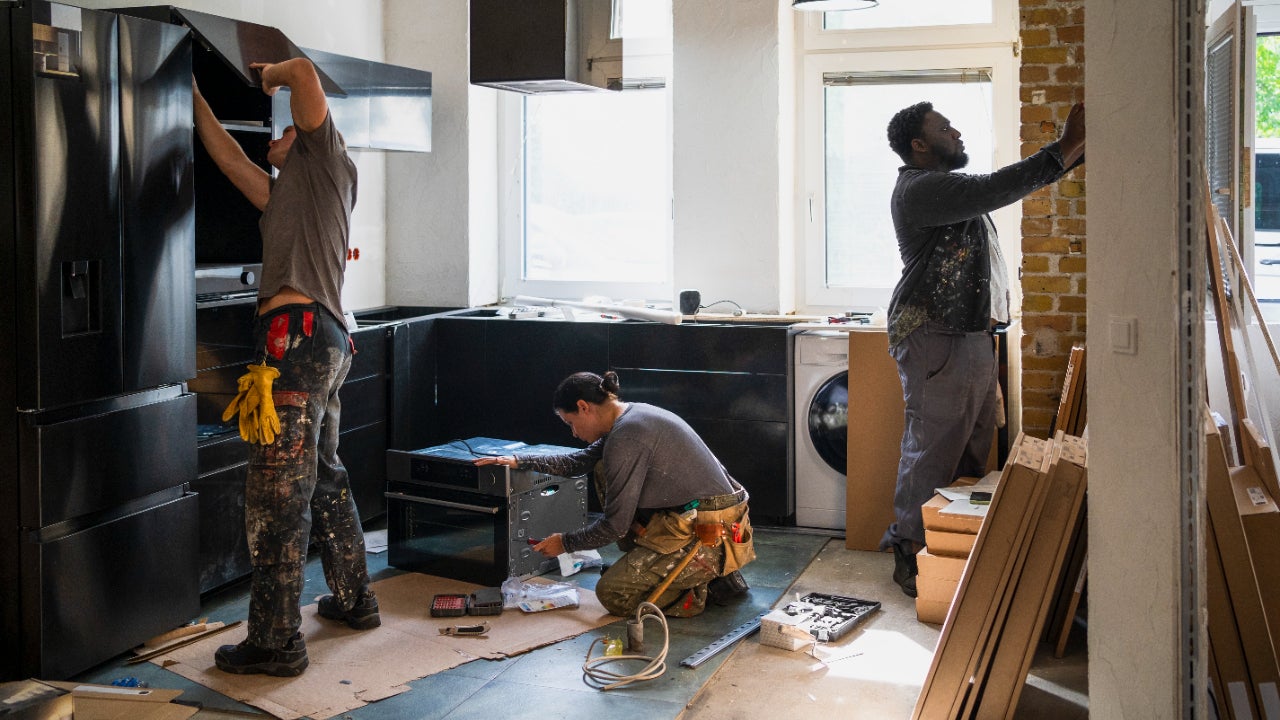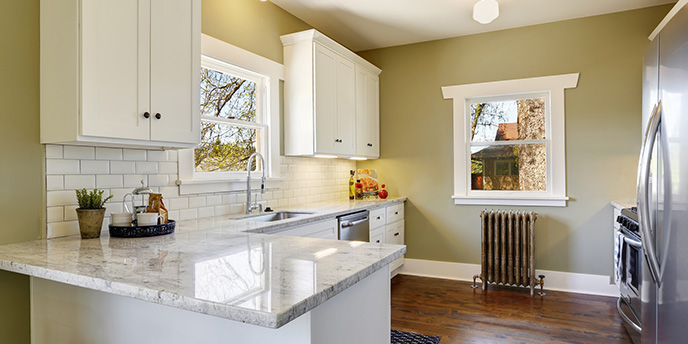







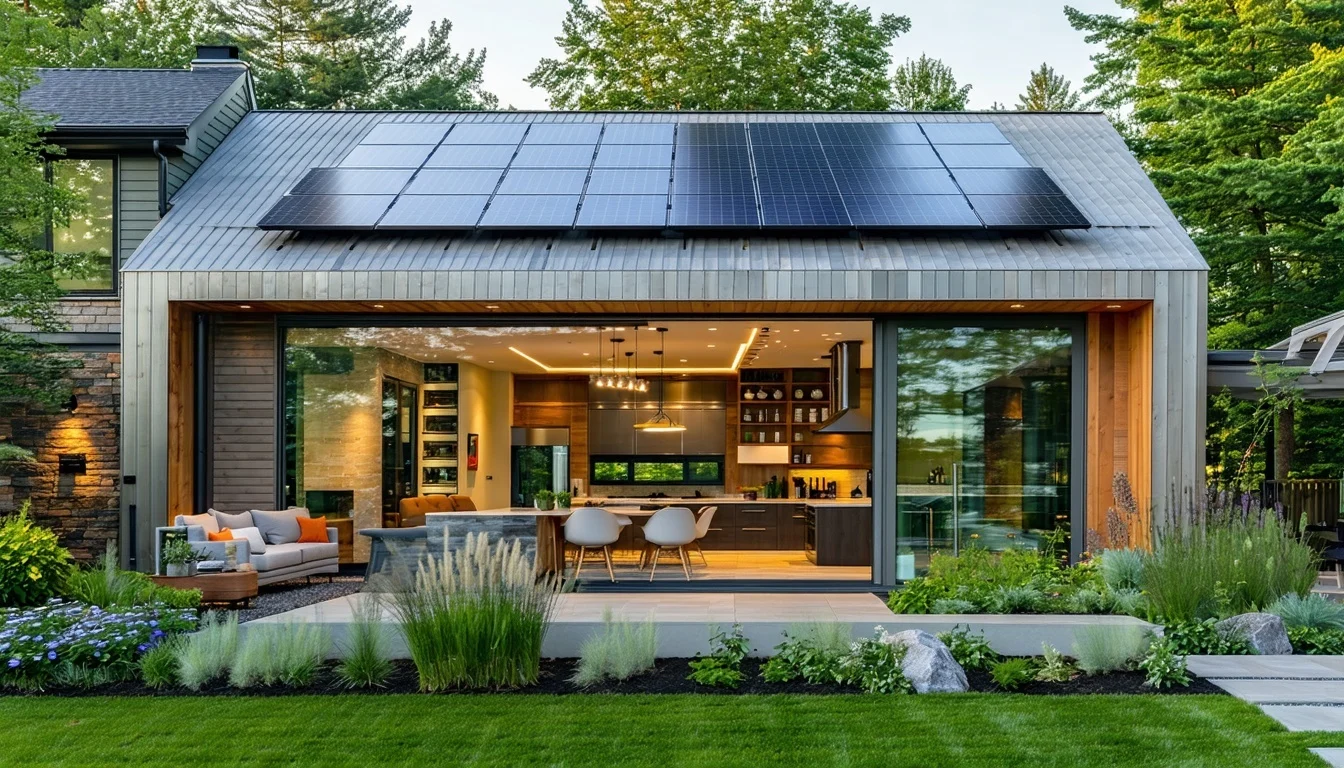
Renovating a home with energy efficiency in mind is one of the most practical ways to reduce monthly expenses while improving comfort and long-term property value. Strategic upgrades can significantly lower electricity consumption, reduce heat loss, and make living spaces healthier and more sustainable. With rising energy costs and increasing environmental awareness, energy-smart renovations have become a priority for homeowners planning improvements.
This guide explains how targeted renovation choices can deliver measurable savings and lasting performance benefits.
Why Energy-Efficient Renovation Matters
Energy-efficient upgrades are not only about sustainability. They directly affect household finances and daily comfort.
Key advantages include:
- Lower electricity and heating bills
- Improved indoor temperature stability
- Reduced reliance on mechanical cooling
- Better indoor air quality
- Increased resale value of the property
- Reduced environmental impact
Homes that are properly insulated and equipped with efficient systems often recover renovation costs through long-term savings.
Start with a Home Energy Assessment
Before making changes, evaluating current energy usage helps identify the areas with the highest savings potential.
A typical energy assessment highlights:
- Air leakage points
- Inefficient windows and doors
- Outdated lighting systems
- Poor insulation coverage
- Aging appliances consuming excessive power
Addressing these issues first ensures renovation budgets are used efficiently.
Upgrade Insulation for Immediate Savings
Insulation is one of the most effective upgrades for reducing energy waste. Proper insulation keeps interiors cooler during hot seasons and warmer during colder months.
Common insulation upgrade areas include:
- Attic spaces
- Exterior walls
- Roof cavities
- Floors above garages or crawl spaces
Benefits of improved insulation:
- Reduced heat transfer
- Lower air conditioning usage
- Enhanced indoor comfort
- Quieter living environment
Even partial insulation upgrades can noticeably reduce electricity bills.
Replace Old Windows with Energy-Efficient Options
Windows contribute significantly to heat gain and loss. Replacing single-pane windows with modern energy-efficient glazing improves temperature regulation indoors.
Energy-efficient window features include:
- Double or triple glazing
- Low-emissivity coatings
- Airtight frames
- UV protection layers
These upgrades help maintain stable indoor temperatures while reducing dependence on cooling systems.
Improve Lighting Efficiency with Smart Alternatives
Switching from traditional bulbs to LED lighting is a simple renovation step that delivers quick savings.
Advantages of LED lighting:
- Consumes significantly less electricity
- Produces less heat
- Offers longer lifespan
- Requires minimal maintenance
Adding motion sensors and daylight-responsive lighting controls can further optimize energy consumption.
Install Energy-Efficient Doors and Seal Air Leaks
Air leakage increases cooling demand and raises energy bills. Renovation projects should include sealing gaps around doors and windows.
Effective sealing strategies include:
- Installing weather stripping
- Applying caulking around window edges
- Using insulated exterior doors
- Adding door sweeps
Small sealing improvements can produce noticeable reductions in energy waste.
Upgrade to Energy-Efficient Appliances
Older appliances consume more electricity than modern high-efficiency models. Replacing outdated systems is a practical renovation decision.
Priority appliances to upgrade:
- Refrigerators
- Air conditioners
- Washing machines
- Water heaters
- Ceiling fans
Energy-efficient appliances reduce long-term electricity costs while improving operational performance.
Integrate Solar Power for Long-Term Savings
Solar energy systems allow homeowners to generate their own electricity and reduce reliance on external power sources.
Benefits of rooftop solar installation:
- Reduced monthly electricity bills
- Protection from rising energy costs
- Increased property value
- Lower carbon footprint
Even partial solar integration can offset a significant portion of household energy usage.
Improve Ventilation Without Increasing Energy Loss
Efficient ventilation maintains indoor air quality without sacrificing temperature control.
Smart ventilation upgrades include:
- Exhaust fans with humidity sensors
- Cross-ventilation window placement
- Energy-efficient ceiling ventilators
- Heat-recovery ventilation systems
Balanced airflow ensures comfort while preserving energy efficiency.
Use Reflective Roofing Materials
Roof surfaces absorb large amounts of heat. Reflective coatings and materials reduce indoor temperature buildup.
Benefits include:
- Lower cooling demand
- Reduced rooftop heat absorption
- Improved indoor comfort during hot seasons
- Extended roof lifespan
Reflective roofing is especially effective in warm climates.
Install Smart Energy Monitoring Systems
Smart monitoring systems help track electricity usage in real time.
These systems allow homeowners to:
- Identify high-consumption appliances
- Adjust usage patterns
- Schedule energy-heavy tasks efficiently
- Reduce unnecessary electricity waste
Better awareness often leads to measurable savings without additional upgrades.
Long-Term Financial Benefits of Energy-Efficient Renovations
Energy-efficient renovations provide both immediate and future economic advantages.
Savings accumulate through:
- Lower monthly utility expenses
- Reduced maintenance requirements
- Increased equipment lifespan
- Higher resale value of property
Homes with strong energy performance typically attract buyers more quickly and command better market prices.
FAQ Section
1. How much can energy-efficient renovations reduce electricity bills
Savings depend on the condition of the existing home and the upgrades completed. Many households experience reductions between 20 percent and 40 percent after major efficiency improvements.
2. Which renovation provides the fastest return on investment
LED lighting upgrades and air leak sealing typically deliver the quickest financial returns because they require minimal installation costs.
3. Are energy-efficient renovations suitable for older homes
Yes. Older homes often benefit the most because they usually have higher energy loss due to outdated construction materials.
4. Do energy-efficient windows reduce outside noise as well
Modern double-glazed and triple-glazed windows improve sound insulation while enhancing temperature control indoors.
5. Is solar installation necessary for improving energy efficiency
Solar systems are helpful but not mandatory. Insulation improvements and appliance upgrades alone can significantly reduce energy consumption.
6. Can smart thermostats help reduce electricity usage
Yes. Smart thermostats optimize heating and cooling schedules based on occupancy patterns and temperature needs.
7. How often should insulation be inspected after renovation
Insulation should be checked every few years to ensure it remains properly installed and free from moisture damage.